
Why Politics Feels So Exhausting – and What You Can Do About It
Home » Blog » Why Politics Feels So Exhausting – and What You Can Do About It

Why Politics Feels So Exhausting – and What You Can Do About It

January 27, 2026 | Sasha Hileman, Psy.D. | 3 min. read

Developing Self-Compassion

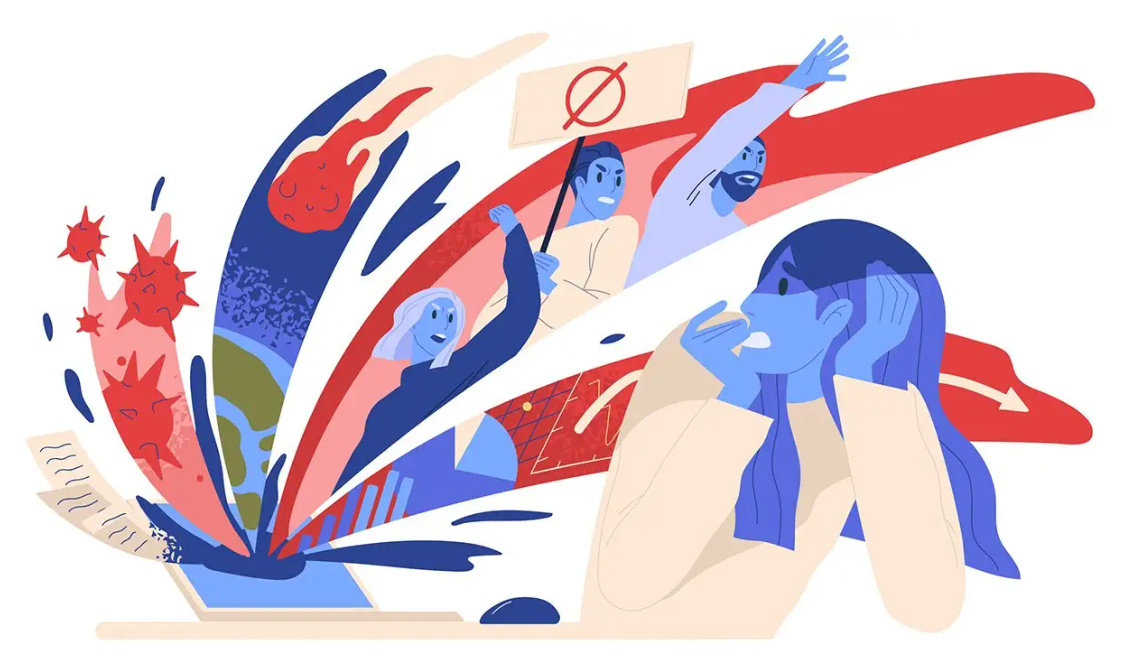
You open your phone to check the news. Minutes later, you feel tense, angry, and emotionally drained.

Politics and how we consume it has changed. Social media and 24/7 news cycles are optimized for urgency and outrage. When the brain is repeatedly exposed to conflict-heavy content, the nervous system remains in a state of threat detection, even while sitting on the couch.

Over time, this contributes to chronic stress, anxiety, and emotional exhaustion.

Why It Hits So Hard

Politics today feels personal. Opinions are framed as moral tests, disagreements as character flaws. This keeps the brain’s fight-or-flight system activated, eroding patience, sleep, and focus.

Young adults are particularly affected. Pressure to stay informed, take positions, and respond publicly can turn civic engagement into emotional overload.

Staying Informed Without Burning Out

Set limits on consumption
Decide when and how long you’ll engage with political content and turn off breaking news alerts.

Curate your sources
Choose factual, measured reporting. Sensationalism increases stress without increasing understanding.

Pause before reacting
Not every post requires a response. Protect your emotional energy.

Channel energy into action
Volunteering or community involvement restores agency and reduces helplessness.

Protect relationships
Connection matters more than arguments. Shared humanity buffers stress.

Caring about the world doesn’t require constant vigilance. Balance isn’t apathy, it’s resilience.

If political stress feels overwhelming, Orchard Mental Health offers support for managing anxiety, emotional reactivity, and burnout.

Follow us for more wellness content!

More Blog Posts

Personality Tests – Are They Legit?

Personality Tests – Are They Legit?

Personality tests are everywhere—but not all of them are scientifically sound. Learn which ones hold up under research, which are just for fun, and how therapists actually use personality in practice.

read more

Thanksgiving: Cultivating Gratitude Without Pressure

Home » Blog » Thanksgiving: Cultivating Gratitude Without Pressure

Thanksgiving: Cultivating Gratitude Without Pressure

November 20, 2025 | Sasha Hileman, Psy.D. | 5 min. read

Thanksgiving Blog 2025

Thanksgiving is often pictured as a time of joy, delicious food, and family togetherness. Yet, for many, it can also bring stress, overwhelm, and complicated emotions. Approaching the holiday with a mindful, science-backed lens can make it meaningful without added pressure.

The Psychology of Gratitude

Research consistently shows that practicing gratitude improves mood, strengthens relationships, and even boosts physical health. Gratitude helps shift focus from what’s missing to what’s present, promoting resilience and contentment.

Practical Ways to Practice Gratitude

  • Reflect Daily: Take a few minutes each day to note something you’re thankful for—big or small.
  • Share With Others: Expressing appreciation to family or friends strengthens bonds and encourages positivity.
  • Mindful Eating: Enjoy the meal with presence, savoring flavors and textures rather than rushing through it or using food as distraction.

Managing Holiday Stress

Holidays can amplify anxiety and family tension. Setting boundaries, planning ahead, and allowing yourself downtime are crucial. Remember: it’s okay to say no, step away from conflict, or simplify traditions.

Gratitude Doesn’t Mean Perfection

Feeling thankful doesn’t erase challenges. It’s a tool, not a mandate. Acknowledging difficulties while noticing positives is a balanced approach. Even small acts—smiling at a loved one, sending a message of thanks, or savoring a peaceful moment—can foster meaningful gratitude.

This Thanksgiving, focus on connection, presence, and gratitude without guilt or pressure. Embracing imperfection and recognizing what is meaningful to you can create a richer, calmer holiday experience.

If you’d like guidance on mindfulness, gratitude practices, or managing holiday stress, Orchard Mental Health Group is here to provide support and strategies tailored to your needs. Please reach out to our team to schedule an appointment.

Follow us for more wellness content!

More Blog Posts

Personality Tests – Are They Legit?

Personality Tests – Are They Legit?

Personality tests are everywhere—but not all of them are scientifically sound. Learn which ones hold up under research, which are just for fun, and how therapists actually use personality in practice.

read more

Tips to De-Stress After Work

Home » Blog » Tips to De-Stress After Work

Tips to De-Stress After Work

April 7, 2024 | Naweh Diggs, LMSW | 1.5 min. watch

Follow us for more wellness content!

More Blog Posts

Anxiety “Unmasked”— Tools for a Stress-Free Mind

Home » Blog » Anxiety “Unmasked” — Tools for a Stress-Free Mind

Anxiety “Unmasked” — Tools for a Stress-Free Mind

February 28, 2024 | Naweh Diggs, LMSW | 5 min. read

Anxiety has the potential to disrupt your everyday routines. Recognizing the signs and causes of anxiety can assist in managing it effectively.

The American Psychological Association states that anxiety entails sensations of stress, apprehension, and bodily alterations. Anxious sensations may manifest in diverse circumstances, varying in intensity. While occasional anxiety is common, persistent feelings of anxiety that impede your daily activities indicate the need to seek therapy and implement coping strategies. Although there are various forms of anxiety, here, we will focus on the overarching concept of anxiety.

Anxiety Unmasked - Tools for a Stress-Free Mind

Symptoms of Anxiety and The Effects

Symptoms of anxiety such as irritation, excessive worrying, insomnia, feelings of  nausea, rapid heartbeat, and palpitations can leave individuals feeling overwhelmed and out of control. Anxiety can negatively impact social interactions, physical well-being, and mental health, as well as interfere with one’s career,  personal relationships, and social life.

Clients can utilize a variety of methods to manage anxiety including  journaling, aromatherapy, and exercise. Regular exercise can boost dopamine and  endorphin levels, ultimately reducing feelings of anxiety. This can positively impact symptoms such as irritability, insomnia, and panic attacks that are commonly associated with anxiety. Establishing an exercise routine has proven  effective in lowering stress levels that contribute to anxiety. Aromatherapy is another soothing practice that can aid in relieving anxiety. Pleasant scents like lavender, vanilla, and citrus have been known to assist in stressful situations. Incorporating activities such as lighting candles, taking aromatic baths, or using scented oils can help soothe frazzled nerves in the moment.

Additionally, journaling serves as a method to alleviate stress and express emotions. Establishing a consistent journaling routine can assist in unloading the  pressures of day-to-day living. It has been noted by many that journaling provides  an outlet for emotions without fear of judgment. Whether through writing or audio journaling, discovering the approach that suits you best is crucial to your success.

Conclusion

That being said, anxiety may present numerous obstacles for individuals facing such struggles. Nonetheless, by making deliberate efforts, strategies can be  implemented to reduce the symptoms related to anxiety, enabling these individuals to lead fulfilling and healthy lives.

Follow us for more wellness content!

More Blog Posts

Personality Tests – Are They Legit?

Personality Tests – Are They Legit?

Personality tests are everywhere—but not all of them are scientifically sound. Learn which ones hold up under research, which are just for fun, and how therapists actually use personality in practice.

read more