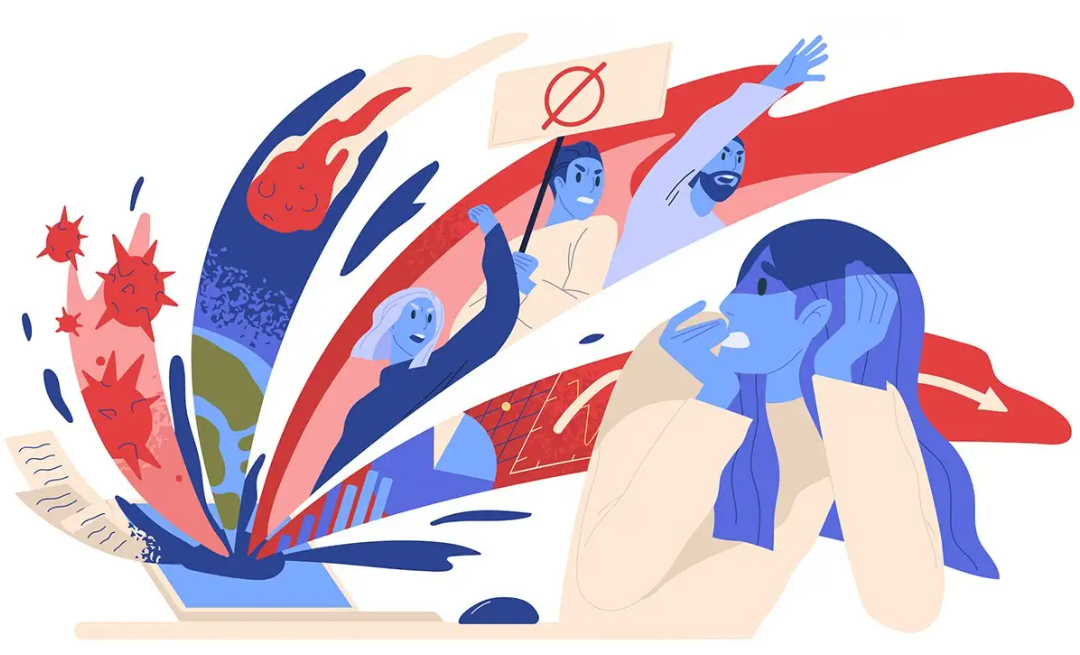
Living With an Invisible Illness

Home » Blog » Living With an Invisible Illness

Living With an Invisible Illness

October 31, 2023 | Katie Lawliss, Psy.D. | 10 min. read

October is Invisible Illness Awareness Month. In honor of this, let’s dive into what invisible illness means and work to understand how it impacts one’s lived experience.

Living with an Invisible Illness OMHG Blog

Disabilities and illnesses can be visible or invisible. Or sometimes a combination of the two.

It can be ever changing depending on how the person is feeling or progressing in their illness. Both invisible and visible disabilities have struggles associated with it. Invisible illness is exactly what it sounds like, it is a medical condition that is not visible to others.

Examples of invisible illnesses include psychiatric disorders, diabetes, heart conditions, and chronic migraine.

Whereas, visible illnesses have aspects of the condition that other people can see and, therefore, understand that there is a medical condition present. Examples include, someone with hair loss related to chemotherapy treatment for cancer, the use of a mobility device for someone with chronic pain, or particular facial features associated with down syndrome. This blog is focused on the intricacies of invisible illnesses, however both versions of disability and illness have valid struggles.

Whether you have a disability or not you may have either thought or heard some of these sentiments before:

A 40-something year old gets out of their car, that is parked in a handicap spot and does not use a mobility aid: “That person does not need the handicap parking space, they are not even disabled”

This person has cystic fibrosis and struggles to breath when walking the distance though the parking lot.

A 30-something year old has to cancel plans due to chronic pain and dizziness related to their condition: “He could walk yesterday, but now he can’t? He just doesn’t want to hang out with us, he always cancels.”

This person has chronic fatigue syndrome and is experiencing a crash after pushing himself through the work week.

A 20 year old woman goes to the doctor complaining of increased fatigue, joint pain, and sudden weight gain: “You look fine and are too young to be sick. Just get more exercise and watch your diet.”

This person has ovarian cancer but will not find out for over a year due to being “too young” for ovarian cancer.

A 15 year old girl is not keeping up with chores and homework: “She is just lazy and does not want to put the effort in.”

This girl has ADHD and wants to do her chores and school work but her executive functioning challenges make it so that she can’t keep up with the demands of home and school. 

All of these statements are rooted in ableism and the lack of knowledge about invisible illnesses. Unfortunately, it is not an uncommon experience in the invisible disability space.

Having an invisible illness is hard. One of the reasons it can be hard is because people may not believe that you are sick and have a lack of empathy for your difficulties because they cannot see the difficulties nor experience them.

It can also be exhausting to educate others and advocate for yourself so people will believe you. However, it is necessary to do so in order to have your needs met and take care of yourself. People with visible disabilities also need to advocate for themselves due to ableism in society. The difference for those with invisible disabilities is you also need to “prove” you are sick. And once you do, people may frequently forget because your illness is out of sight and out of mind to them. Although, living with the illness you do not get the luxury of your illness being out of sight and out of mind as you live with it daily.

While having an invisible disability is burdensome, due to living in an ableist society, the ability to be able to “hide” your illness can be helpful when facing prejudice and discrimination. The problem is that people with invisible disabilities are often taught to lean into this and hide their disability, which tends to cause more issues than benefits. It is important to know that having an invisible disability is valid and it is not their job to hide their disability from others in order to make them comfortable. Having a disability is not something to be ashamed of; however, being taught to hide the illness (because it is invisible) can lead to feelings of shame or lead to minimizing their needs and experiences.

Invisible illness means it is not readily visible to others. However, it does not mean that it is not valid and not visible to the person living with it every single day.

Support may not be directed towards them because people can not see the need for support. This does not mean that they don’t need support. People may make accusations that they are  faking the illness or not understand the variability of symptoms day to day.

It is important that if you experience an invisible illness that you can remind yourself that your disability is real and valid. Coping with the struggles that come with invisible disabilities mainly includes believing in yourself and your own experiences. If you are able to validate your experiences you can better advocate for yourself, notice ableism around you, and take care of yourself both mentally and physically. The more you are able to communicate about your experiences, even if others’ cannot see it, the more likely you are to gain understanding from your loved ones and get support when you need it.

Follow us for wellness more content!

More Blog Posts
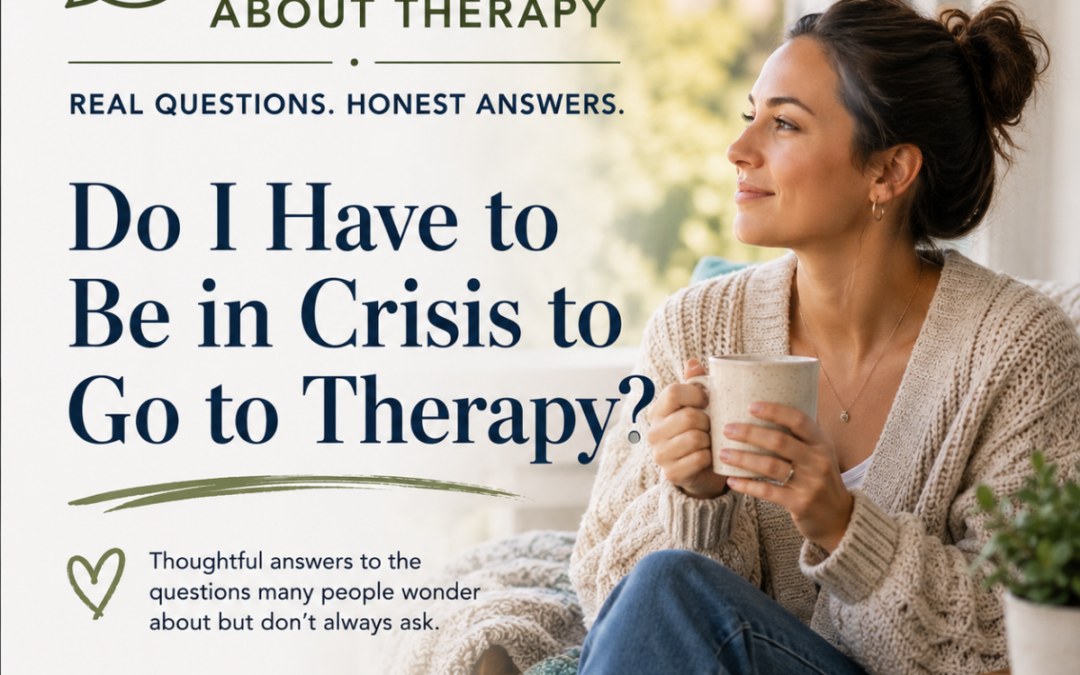
Do I Have to Be in Crisis to Go to Therapy?

Do I Have to Be in Crisis to Go to Therapy?

Home » Blog » Do I Have to Be in Crisis to Go to TherapyLet's Talk About Therapy Real Questions. Honest Answers. July 14, 2026 | Series 1Do I Have to Be in Crisis to Go to Therapy? If you've ever caught yourself thinking, "Maybe I should talk to someone… but my...

read more
Creating a Healthy Summer Routine for Your Child

Creating a Healthy Summer Routine for Your Child

Home » Blog » Creating a Healthy Summer Routine for Your ChildCreating a Healthy Summer Routine for Your Child June 8, 2026 | 3 min. readOne of the biggest adjustments children face during summer break is the loss of routine. While most kids enjoy having fewer...

read more

Therapy and Medication Combination

Home » Blog » Therapy and Medication Combination

Therapy and Medication Combination

October 12, 2023 | Katie Lawliss, Psy.D. | 5 min. read

Medication and therapy both help people relieve and manage psychological wellbeing.

There are many reasons why a person may choose to only use medication or only participate in therapy. As clinicians, we always hope to foster a sense of autonomy for clients in choosing the best course of treatment for them. However, researchers have demonstrated that the combination of medication and therapy work best together, which is why your therapist may suggest meeting with a psychiatrist, or a psychiatrist may recommend beginning therapy. 

When I work with clients and decide to recommend medication for their mental health symptoms  to supplement our work together in therapy, I frame it as this:

Medication can help reduce symptoms enough that you are better able to engage in the coping skills you learn in therapy.

The idea is that once you can better access the ability to engage in coping skills consistently, the coping mechanisms will be a learned behavior that you will be able to use more effectively going forward. 

Therapy and Medication Combination OMHG Blog

At this point, if a client does not wish to continue to be on medication, they can work with their prescriber to try to taper off medication. The idea being that the coping skills are more ingrained at that point, so the client will likely be better able to manage their symptoms without medication.

However, some clients benefit from long term use of psychiatric medication and for some disorders, long term use of medication is highly recommended.

Psychological disorders have biological bases. A person’s brain is an organ and our psychological wellbeing is largely dependent on neurotransmitters. People with depression, anxiety, OCD, Bipolar I or II, ADHD, schizophrenia and more, have neurotransmitters that are not working to the degree that they are intended to work. Medication allows balance of neurotransmitters. Some medications work to slow down the reuptake of neurotransmitters so that they have the time to do their job effectively. While some medications work to increase the activity of a neurotransmitter at the appropriate receptor or block the receptor so the appropriate amount of a neurotransmitter is accessed.

Whether you are in therapy, taking medication, or both, know that you are engaging in committed actions towards taking care of your wellbeing.

The combination of medication and psychotherapy can be the most beneficial for many clients, so talk to your providers about this if you are interested in how both methods of treatment may suit you. If you are interested in therapy, medication, or both, feel free to reach out to us at OMHG. We have a team of medication management providers and therapists ready to help!

References:

Cuijpers, P., Noma, H., Karyotaki, E., Vinkers, C. H., Cipriani, A., & Furukawa, T. A. (2020). A network meta‐analysis of the effects of psychotherapies, pharmacotherapies and their combination in the treatment of adult depression. World Psychiatry, 19(1), 92—107. 

Kamenov, K., Twomey, C., Cabello, M., Prina, A. M., & Ayuso-Mateos, J. L. (2016). The efficacy of psychotherapy, pharmacotherapy and their combination on functioning and quality of life in depression: A meta-analysis. Psychological Medicine, 47(3), 414—425. 

Follow us for more wellness content!

More Blog Posts

Do I Have to Be in Crisis to Go to Therapy?

Do I Have to Be in Crisis to Go to Therapy?

Home » Blog » Do I Have to Be in Crisis to Go to TherapyLet's Talk About Therapy Real Questions. Honest Answers. July 14, 2026 | Series 1Do I Have to Be in Crisis to Go to Therapy? If you've ever caught yourself thinking, "Maybe I should talk to someone… but my...

read more

Understanding Postpartum Diagnoses

Home » Blog » Understanding Postpartum Diagnoses

Understanding Postpartum Diagnoses

October 12, 2023 | Katie Lawliss, Psy.D. | 12 min. read

Understanding Postpartum Diagnoses OMHG Blog

Becoming a parent can be an amazing experience for many. Like most amazing things, it is not without difficulties as well. In fact, the period after labor and delivery of a baby is a huge emotional and physical shift for parents.

While perinatal mental health issues can start during pregnancy, postpartum is an especially sensitive time for emotional wellbeing.

Here are a few diagnoses and terms you may hear about the postnatal period.

Diagnosis #1: The Baby Blues

The Baby Blues refers to the period of time between birth and approximately two weeks after birth. While this is not an official diagnosis, it’s important to mention because it describes a distinct difference in functioning. Onset may occur right after birth, or a few days after birth, peaking around day 5 of postpartum. During the first few days after delivery of a baby, there is a huge drop in hormone levels that your brain and body are working to cope with.

Oftentimes, this big shift in hormones leads to feelings of sadness and tearfulness, feeling restless or anxious, and not feeling like yourself. Additionally, people who are in the postpartum period worry that they’re not being a good parent or that their sadness is going to be indicative of how their parenting journey continues.

The key distinguisher between Baby Blues and Postpartum Depression is the timeline. The Baby Blues period ends around the two week mark postpartum.

Diagnosis #2. Postpartum Depression

Postpartum Depression (PPD), also called postnatal depression, occurs after the two-week period Baby Blues. PPD is an acute form of Major Depressive Disorder. However, some people who have given birth, may already have been given a diagnosis of Major Depressive Disorder before or during pregnancy, but can experience an increase in severity and frequency of their depressive symptoms during this time. The onset of PPD occurs within the first 4-6 weeks of the postpartum period and typically lasts an average of 6 months but can last for as long as 12 months.

The symptoms of a depressive episode include:

    • Depressed mood for most of the day, nearly everyday, diminished interest or pleasure in doing this
    • Significant changes in weight (can be hard to assess for during postpartum due to hormonal changes
    • Breastfeeding or pumping, and body changes due to having a baby) or appetite
    • Significant changes in sleep patterns (however this can be difficult to assess for during postpartum due to the changes in sleep patterns needed for caring for an infant)
    • Changes in pace of movement whether moving slower talking slower than usual or being restless and agitated or fatigued (can be difficult to assess during postpartum due to fatigue being a natural reaction to sleep deprivation)
    • Feelings of worthlessness or excessive guilt
    • Difficulty concentrating (again, sometimes hard to assess due to sleep deprivation)
    • Recurrent thoughts of death or suicidal ideation

As stated above, sometimes it can be hard to differentiate between symptoms of depression and natural reactions to a huge shift in lifestyle in the postpartum period.

However, PPD can also look a bit different than a typical depressive episode. Understandably, many new parents experience a big increase in anxiety. PPD and postpartum anxiety are often used interchangeably, even though outside of the postpartum period, Major Depressive Disorder and Generalized Anxiety Disorder are not used interchangeably.

Generally, there are normative ranges for anxiety in the postpartum period. Anxiety is an emotion that we need as humans in order to stay safe and get things done. However, when anxiety is more intense and frequent than is useful, that is when we consider it part of a disorder.

Yes, it’s normal to worry about how a newborn baby is doing—to an extent.

But if you find yourself…

  • Feeling on edge constantly
  • Needing to check the baby’s vitals nonstop, even though they are medically sound
  • Googling for hours a night about what is normal (again, to the point of functional impact like not sleeping in the few hours you are able to, or not being able to focus on your time spent with your baby at all because you are so worried about a perceived abnormality)

…then you may be experiencing postpartum depression/anxiety.

People who live in urban areas, with low incomes, and people with other mental health diagnoses are at higher risk for PPD. Additionally, people who have a perceived or actual lack of social support, stressful life events occurring, relationship issues, difficult pregnancy and labor and delivery, childcare stress during the postnatal period are at higher risk for PPD.

A parent who did not give birth to a child can also experience PPD. While these parents do not have a hormonal shift, PPD can still occur and should be treated and not dismissed.

The use of this diagnosis is not to invalidate the real difficulties that occur during the postpartum period. It’s natural to have some mood changes during a huge life altering shift and it is natural to worry about your newborn and your relationship with your newborn during this time period. However, it is important to recognize when sadness and anxiety move beyond the norm and into the PPD range because taking care of your emotional wellbeing will help you take care of your child and help you feel like yourself, which benefits you and your baby.

Fortunately, there are many treatments, both pharmacological and nonpharmacological for PPD and seeking out help is the best choice you can make. Having PPD is not a failing on the parent’s part, but rather, it is a combination of hormonal changes, environmental factors, genetic predisposition and more.

Diagnosis #3: Postpartum Obsessive Compulsive Disorder

Postpartum OCD (pOCD) is similar to typical OCD but begins in the postpartum period. Postpartum OCD can be particularly distressing due to the nature of intrusive thoughts associated with OCD. There are different subtypes of intrusive thoughts including harm OCD, sexual orientation OCD, Pedophilia OCD, Relationship OCD, Just Right OCD, Religous OCD and more. Any subtype can occur during pOCD. It is important to note that there are often obsessive thoughts, such as feeling your child is always in danger, and compulsions, such as seeking reassurance that you are a good parent or avoiding being alone with your child, during the postnatal period.

Other subtypes of OCD can happen as well during the postnatal period including Pedophilia OCD and Harm OCD. It is important to remember that these subtypes of OCD do not indicate that you will harm your child or other children. Postpartum OCD is not associated with committing violence. It can be scary to discuss these thoughts with your trusted people or a clinician but the first step to getting help is letting someone know what is going on. You may worry that people will think you are a danger or unfit to parent, but having pOCD does not make you an unfit parent or that you are going to harm your child. It can cause functional impairments and change your parenting behaviors, so if you are scared to be alone with your child or do not trust yourself, it is important to seek out professional help which includes therapy and possible pharmacological treatment.

4. Postpartum Psychosis

Postpartum Psychosis is very rare (affecting .01% of parents who gave birth), however it can happen. Postpartum Psychosis can be confused with pOCD because there may be similar thoughts about harm to the child. However, the major difference is that Postpartum Psychosis includes hallucinations and delusions, which means that the person experiencing Postpartum Psychosis is unable to tell reality from not. Postpartum psychosis is often associated with already existing Bipolar I disorder or mood episodes featuring psychotic features. Hallucinations and delusions mean there is a break from reality because the parent is seeing or hearing things that are not really there or having strong beliefs that are not based in reality. Examples include: “The baby is possessed by the devil and I must kill him to save his soul;” or seeing the child turn into the devil. Not all hallucinations or delusions are destructive. They could be completely unrelated to harming the child or themselves. There is a risk to both the child and parent in this situation so immediate intervention with professional help is necessary. It is important to note that the vast majority of people experiencing postpartum psychosis will not hurt themselves or the child.

It can be scary to see your loved one experiencing these symptoms and it is important to seek professional help immediately. Postpartum psychosis is temporary and will get better with professional treatment.

5. Post-traumatic Stress Disorder (PTSD)

PTSD can occur from labor and delivery. There are many things that could go wrong during labor and delivery which qualify as traumatic events. At least 1 in 3 women report the presence of at least three acute trauma symptoms after delivery (book). This trauma could be injury or harm to the birthing parent, the child, perceived danger to the birthing parent or child, mistreatment or abuse from medical providers, and more. Additionally, it can be traumatic to have your child admitted to the NICU for treatment post birth. PTSD from labor and delivery is associated with re-experiencing symptoms and avoiding situations that can impact the person’s ability to care for the child and themselves. Please see my previous blog post to learn more about trauma and PTSD at https://orchardmentalhealth.com/expanding-what-we-think-of-as-trauma/.

6. Dysphoric Milk Ejection Reflex (D-MER)

D-MER is a strong feeling of depression and dysphoria seconds before the let down reflex during breastfeeding. It differs from PPD because these negative feelings and thoughts only occur in the let down period of breastfeeding. D-MER is rare but very impactful when it occurs. It can be experienced as hollow feelings in the stomach, anxiety, sadness, dread, introspectiveness, nervousness, emotional upset, angst, irritability, and hopelessness. This happens due to a dysfunctional hormone shift and can cause severe distress. For more information on D-MER please visit https://d-mer.org/.

The postpartum period is a sensitive time in parents’ lives and there is no shame in needing help during this huge life shift. Please reach out to QOP to set up an appointment with a therapist to help during this time or talk to your OBGYN about available resources.

References:

A., V. den A., Olga B. (2012). Reproductive Health Psychology. John Wiley & Sons.

Post partum psychosis Postpartum Support International

https://d-mer.org/

ICOD Postpartum OCD Fact Sheet

Baby Blues March of Dimes

Breast Feeding ASN D-MER.

Follow us for more wellness content!

More Blog Posts

Creating a Healthy Summer Routine for Your Child

Creating a Healthy Summer Routine for Your Child

Home » Blog » Creating a Healthy Summer Routine for Your ChildCreating a Healthy Summer Routine for Your Child June 8, 2026 | 3 min. readOne of the biggest adjustments children face during summer break is the loss of routine. While most kids enjoy having fewer...

read more
Will I Still Be Myself When I Take Medication

Will I Still Be Myself When I Take Medication

Home » Blog » Will I Still Be Myself When I Take MedicationWill I Still Be Myself When I Take Medication? Answers to Common Concerns March 24, 2026 | Sasha Hileman, Psy.D. | 3 min. readIf you’re considering medication for mental health - whether anxiety, depression,...

read more
Personality Tests – Are They Legit?

Personality Tests – Are They Legit?

Personality tests are everywhere—but not all of them are scientifically sound. Learn which ones hold up under research, which are just for fun, and how therapists actually use personality in practice.

read more

Expanding What We Think of as Trauma

Home » Blog » Expanding What We Think of as Trauma

Expanding What We Think of as Trauma

September 21, 2023 | Katie Lawliss, Psy.D. | 7 min. read

Expanding What We Think of As Trauma

Understanding what trauma is can be important for healing oneself and is important to help cultivate empathy and compassion for others.

This article may be triggering to some as it gives examples of trauma and discusses trauma and PTSD. The American Psychological Association defines trauma as:

1. Any disturbing experience that results in significant fear, helplessness, dissociation, confusion, or other disruptive feelings intense enough to have a long-lasting negative effect on a person’s attitudes, behavior, and other aspects of functioning.”

Traumatic events include those caused by human behavior (e.g., rape, war, industrial accidents) as well as by nature (e.g., earthquakes) and often challenge an individual’s view of the world as a just, safe, and predictable place.

 2. “Any serious physical injury, such as a widespread burn or a blow to the head.”

Some examples of trauma include being physically abused by a parent, having a terminal medical illness, being sexually assaulted, witnessing COVID-19 deaths as a nurse in the ICU, finding out a friend has died by suicide, feeling unsafe by the actions of a physician while in their care, being in an emotionally abusive relationship, having a miscarriage, being accosted for your sexual orientation or race, and more.

No type of trauma is easier or harder than others.

Essentially, our brains experience all trauma as “SOS we/they are in danger.” Two people can experience the same trauma and react differently to the experience, but it does not mean the trauma is less valid.

Trauma does not always lead to PTSD but trauma is required for the diagnosis of PTSD.

Oftentimes when we hear the term PTSD, short for Posttraumatic Stress Disorder, we think of veterans of war. However, PTSD can happen from any type of trauma and what fits the definition of trauma is quite broad.

Officially, the diagnostic criteria for PTSD from the DSM-5-TR states that a person must have exposure to an actual or threatened death, serious injury, or sexual violence in one (or more) of the following ways including directly experiencing the traumatic event, witnessing (in person) the events that occurred to others, learning that the traumatic event occurred to a close family member or close friend, and/or experiencing repeated or extreme exposure to aversive details of the traumatic event. This definition focuses on an acute traumatic event. However, trauma can also be living in a constant state of stress or constantly experiencing frightening events.

Oftentimes, new clients present to therapy and are asked, “Have you had any trauma in your life?” Unsurprisingly, many dismiss their personal experiences as not traumatic because they feel it’s “not that bad” or may not have an understanding of what trauma can be. Or maybe they have only heard of it related to veterans.

However, whether the person considers their experience as traumatic or not, oftentimes their body and mind hold onto trauma responses that impact their wellbeing both physically and mentally.

For example, there may be irrational beliefs that are strengthened by a traumatic experience or created by one. For example, someone may think, “I can’t trust others,” or “the worst things always happens to me,” as a result of experiencing trauma. Unfortunately, those beliefs impact your health and wellbeing. Perhaps your heart races when you smell a certain scent or have a stomach ache every time you walk into your parents’ house, your body is likely having a reaction to the past trauma. Importantly, a person does not need to meet criteria for PTSD in order to discuss and process their trauma history.

In closing, labeling your experiences as trauma does not give it more power, in fact, it has the opposite effect.

It can help you take the reins in your healing journey and change your relationship to your experiences in a positive way. If you are interested in learning more about how trauma responses can manifest, I recommend the book The Body Keeps the Score: Brain, Mind, and Body in the Healing of Trauma by Bessel van der Kolk M.D. I also recommend exploring your history with a therapist to reflect on how past experiences may be impacting your functioning today, even if you previously did not label those experiences as traumatic.

Please reach out to Orchard Mental Health Group if you are interested in beginning therapy to explore your own traumas and find effective ways to cope with them.

We’re here if you need to talk.

A trained psychotherapist can provide a compassionate and nonjudgmental space to help you understand and heal from trauma. By exploring your experiences at your own pace, they can help you identify how trauma has impacted your thoughts, emotions, and behaviors. Using evidence-based approaches like CBT or somatic techniques, therapists guide you in processing difficult memories, managing triggers, and building resilience. Together, you’ll work to reclaim a sense of safety, rebuild self-trust, and move toward a healthier, more empowered version of yourself.

Orchard Mental Health Group is a large Maryland-based private practice with offices in Rockville, MD and Frederick, MD, providing affordable, accessible, research-informed counseling, assessment, and medication management services to children, adolescents, and adults.

Follow us for more wellness content!

More Blog Posts

Creating a Healthy Summer Routine for Your Child

Creating a Healthy Summer Routine for Your Child

Home » Blog » Creating a Healthy Summer Routine for Your ChildCreating a Healthy Summer Routine for Your Child June 8, 2026 | 3 min. readOne of the biggest adjustments children face during summer break is the loss of routine. While most kids enjoy having fewer...

read more
Will I Still Be Myself When I Take Medication

Will I Still Be Myself When I Take Medication

Home » Blog » Will I Still Be Myself When I Take MedicationWill I Still Be Myself When I Take Medication? Answers to Common Concerns March 24, 2026 | Sasha Hileman, Psy.D. | 3 min. readIf you’re considering medication for mental health - whether anxiety, depression,...

read more

Understanding the Therapeutic Relationship

Home » Blog » Understanding the Therapeutic Relationship

Understanding the Therapeutic Relationship

September 1, 2023 | Katie Lawliss, Psy.D. | 7 min. read

We have relationships with many people over the course of our lives. However, there is a uniqueness to the relationship we have with our therapists.

We sit with another person (virtually or in person) and tell them all about ourselves, our lives, and are vulnerable while doing so. You might know some things about your therapist’s personal life or maybe you know nothing at all, which makes this relationship especially unique.

This relationship is often referred to as the therapeutic relationship or therapeutic alliance.

The relationship between a client and their therapist is what can make or break a therapy experience. In order for therapy to be as effective as we want it to be, it is important to trust and like your therapist.

“Anyone who dispassionately looks at effect sizes can now say that the therapeutic relationship is as powerful, if not more powerful, than the particular treatment method a therapist is using,” says University of Scranton professor John C. Norcross, PhD, ABPP. There have been numerous studies and meta analyses that demonstrate this fact.

Understanding the Therapeutic Relationship OMHG Blog

So what is really going on in the therapeutic relationship?

There are a few parts of this relationship that are important to understand.

First, your therapist genuinely cares about you.

As therapists we often hear clients worry that we do not really care about them and that we care because we are getting paid. It’s understandable why clients feel that way, because the fact is we are getting paid.

Therapy is a bit strange in that it’s a deeply personal experience with another person while also being a business transaction. However, therapists really do care about their clients. We are paid because this is how we support ourselves and make a living. Still, we would not choose this occupation if we did not genuinely care about others. You are building a relationship with your therapist and they are building a relationship with you. As a therapist, I deeply care for my clients and want the best for them. That genuine feeling of care is a main component of the therapeutic relationship.

Second, a healthy therapeutic relationship involves boundaries.

Boundaries in this relationship are to protect the client in many ways. It may seem strange that your therapist knows everything about you, but you know little to nothing about them. There is a reason for that. Therapy is typically the one space people have that is solely focused on themselves. There are very few times in someone’s life that they do something truly only for themselves and the time is only about them. Boundaries are important to help maintain therapy as that type of space and protect that time for you, the client.

If your therapist discussed their issues as well, like a friend or family member would, that space becomes clouded with another person’s needs. That being said, your therapist may share some personal information, we call this “self-disclosure”, when it’s relevant and may be helpful to the therapeutic relationship. Therapists are mindful about what they share and how it may impact the relationship.

Boundaries also include not having a dual relationship, which means having multiple roles within the relationship. For example, I cannot be both your therapist and your child’s volleyball coach. If I do not play your child in the final game, you may have an emotional response to that which would impact our relationship in therapy and take away from the work we are doing in therapy. There are many ways a dual relationship can negatively impact therapy and the client.

Third, therapists are human and make mistakes.

Mistakes range from harmless to harmful. A mistake could be something as simple as misremembering your aunt’s name to saying something harmful without the intent to do so (this does not include obviously harmful things). The important thing is to remember that when your therapist makes a mistake, it does not mean they do not care about you and are not taking the time seriously. Also, it’s important that after making the mistake, your therapist can recognize the mistake and talk it through with you if needed or do their own self work to address the issue outside of the therapy space.

That being said, there are some mistakes a therapist can make that really negatively impact the client. Communication is key in these moments because the therapist may not realize it is harmful. Communication allows for the therapist to work on self reflection and doing better once they know. However, if you feel like your therapist is not well educated in pieces of your identity such as race, sexual orientation, gender, or something else and it is harming you as the client through microaggressions, you have the autonomy to either discuss this with them or find a therapist who is a better fit. If you find yourself feeling harmed in the relationship often due to a lack of knowledge and/or willingness to work on their own biases, then it’s important to find a therapist who is a better fit for you.

Fourth, communication is key.

The therapeutic relationship is based on communication. If you are finding therapy not useful, it’s important to bring this up to your therapist because they can switch things up or revisit your goals to help them better understand. If you are feeling judged by your therapist or are nervous to be honest with them about something then let them know that. Perhaps you are upset about something that happened in a previous session. While it can be hard to communicate this, it can help your therapeutic relationship get even stronger and allow you to meet your goals. Communication is essential to any healthy relationship and that includes your relationship with your therapist. These conversations help deepen the relationship and make therapy even more effective.

Lastly, the therapeutic relationship is a healing experience.

Having a positive relationship with your therapist can help you understand what healthy relationships look like, what it feels like to be cared for, and help you realize that you deserve to be listened to and cared about.

I myself have been both a therapist in these relationships and also a client in these relationships. They are quite different from each angle but hold the same truths. I hope you have a positive healthy relationship with your therapist. If you are not in therapy yet or hope to have a better connection with a therapist you can contact us at OMHG to set up an initial appointment with one of our therapists.

Are you interested in speaking with a therapist?

Single session therapy is an excellent way to dip your toes into the world of therapy and see if it’s right for you. In just one focused session, you can address a specific concern, gain valuable insights, and explore strategies to move forward. It’s a low-commitment opportunity to experience how a therapist can support you, offering a glimpse into the benefits of professional guidance. Whether you’re unsure about ongoing therapy or simply need help with one issue, a single session can provide clarity and direction.

Orchard Mental Health Group is a large Maryland-based private practice with offices in Rockville, MD and Frederick, MD, providing affordable, accessible, research-informed counseling, assessment, and medication management services to children, adolescents, and adults.

Follow us for more wellness content!

More Blog Posts

Creating a Healthy Summer Routine for Your Child

Creating a Healthy Summer Routine for Your Child

Home » Blog » Creating a Healthy Summer Routine for Your ChildCreating a Healthy Summer Routine for Your Child June 8, 2026 | 3 min. readOne of the biggest adjustments children face during summer break is the loss of routine. While most kids enjoy having fewer...

read more
Will I Still Be Myself When I Take Medication

Will I Still Be Myself When I Take Medication

Home » Blog » Will I Still Be Myself When I Take MedicationWill I Still Be Myself When I Take Medication? Answers to Common Concerns March 24, 2026 | Sasha Hileman, Psy.D. | 3 min. readIf you’re considering medication for mental health - whether anxiety, depression,...

read more
Personality Tests – Are They Legit?

Personality Tests – Are They Legit?

Personality tests are everywhere—but not all of them are scientifically sound. Learn which ones hold up under research, which are just for fun, and how therapists actually use personality in practice.

read more