Home » Blog » Creating Routines That Help Kids ThriveCreating Routines That Help Kids Thrive Helping Kids Thrive This School YearAugust 27, 2026 | Series 3 of 8Getting everyone out the door in the morning. Remembering backpacks, lunches, sports gear and permission...
When School Worries Become More Than Just Butterflies

A new school year can bring a mix of excitement and nerves. New teachers, different classmates, changing routines, harder schoolwork, or simply not knowing what to expect can make even confident kids feel a little uneasy.
For most children and teens, those first-day jitters settle down as they get back into the rhythm of school. But sometimes the worry sticks around or becomes strong enough to interfere with everyday life.
When Is School Anxiety More Than Normal Nervousness?
There isn’t one sign that tells you a child is struggling with anxiety. In fact, kids don’t always say, “I’m anxious.” Worry can show up in other ways.
You may notice:
- Frequent stomachaches, headaches, or feeling sick before school
- Trouble falling asleep or worrying at bedtime
- Irritability, tearfulness, or more emotional outbursts
- Repeated requests to stay home from school
- Difficulty separating from a parent or caregiver
- Constant reassurance-seeking about school, grades, friends, or teachers
- Changes in appetite, sleep, or usual activities
- Avoiding friends, activities, or situations they once enjoyed
An occasional difficult morning isn’t necessarily cause for concern. What matters more is whether the behavior continues, becomes more intense, or starts getting in the way of school, friendships, family life, or things your child normally enjoys.
How Parents Can Help
When your child is worried, it can be tempting to immediately try to fix the problem or reassure them that everything will be fine. Sometimes the most helpful first step is simply listening.
Acknowledge what they’re feeling.
Let your child know it’s okay to feel nervous without reinforcing the idea that school is something to fear. A simple “I can see that you’re worried about tomorrow” can help them feel heard.
Ask specific questions.
Instead of “How was school?” try asking, “What was the hardest part of today?” or “Was there anything that made you feel nervous?” Specific questions can make it easier for children to explain what’s bothering them.
Keep routines predictable.
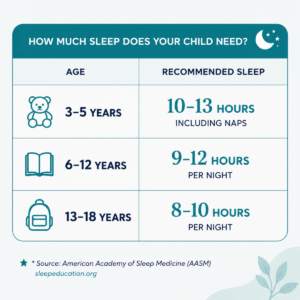
Consistent mornings, meals, homework time, and bedtimes can provide a sense of stability when other parts of the school day feel uncertain.
Prepare without over-preparing.
Talking through the next day, packing a backpack the night before, or reviewing the morning plan can help. Repeatedly discussing every possible scenario, however, can sometimes make worries feel even bigger.
Celebrate small steps.
For a child who’s anxious about school, simply getting through the door, speaking to a teacher, or joining an activity may feel like a big accomplishment. Recognizing those moments can help build confidence.
When Extra Support May Help
If school-related anxiety continues for several weeks, becomes increasingly intense, or begins interfering with your child’s ability to attend school or participate in everyday activities, it may be time to seek additional support.
Therapy can help children and teens understand what is driving their anxiety, learn healthy ways to manage worry, and develop coping skills they can use at school and at home. For some children, medication management may also be considered as part of an individualized treatment plan.
You don’t have to wait until your child is in crisis to ask for help. Addressing concerns early can give children tools they can carry with them well beyond the school year.
We’re Here to Help
At Orchard Mental Health Group, our therapists and medication management providers work with children, teens, and families experiencing anxiety, school-related stress, and other emotional or behavioral concerns. Together, we can help children build the skills and confidence they need to navigate challenges both inside and outside the classroom.
Helping Kids Thrive This School Year
This article is part of Orchard Mental Health Group’s Helping Kids Thrive This School Year seasonal wellness series, designed to provide practical, compassionate guidance for parents as children and teens navigate the school year.
Coming Next: Creating Routines That Help Kids Thrive
Follow us for more wellness content!
More Blog Posts
Creating Routines That Help Kids Thrive
read more

When School Worries Become More Than Just Butterflies
Home » Blog » When School Worries Become More Than Just ButterfliesWhen School Worries Become More Than Just Butterflies Helping Kids Thrive This School YearAugust 19, 2026 | Series 2 of 8A new school year can bring a mix of excitement and nerves. New teachers,...

How Do I Know If Therapy Is Right for Me?
Home » Blog » How Do I Know If Therapy Is Right for Me?Let's Talk About Therapy Real Questions. Honest Answers. August 17, 2026 | Series 2One of the most common questions we hear is: "How do I know if therapy is right for me?" It's a fair question, and one that...
In crisis or need immediate help?
Call 988 or go to your nearest ER.
Services
Adolescent Psychotherapy
Adult Psychotherapy
Assessments & Evaluation
Child Psychotherapy
Cognitive Behavioral Therapy
Couples Therapy
Family Therapy & Parent Coaching
Genetic Testing
Group Therapy
Medication Management
Play Therapy
Single-Session Therapy
Teletherapy
Orchard Mental Health Group
Accepted Insurance*
Aetna
Carefirst / Blue Cross Blue Shield
Cigna
Humana / Tricare
Johns Hopkins Health Plans
Medicaid
Medicare
Optum / UnitedHealthcare
*Varies by service
Partner Resources
Contact Us
M-F, 9am-5pm Eastern Time
Phone: 240-750-6467
Fax: 240-912-7835
contact@orchardmentalhealth.com
9707 Key West Avenue, Suite #100 Rockville, MD 20850