
Home » Blog » Helping Kids Stay Connected and Confident During Summer BreakHelping Kids Stay Connected and Confident During Summer Break June 8, 2026 | 3 min. readSchool provides more than academics. It also gives children daily opportunities to connect with friends,...
Personality Tests – Are They Legit?
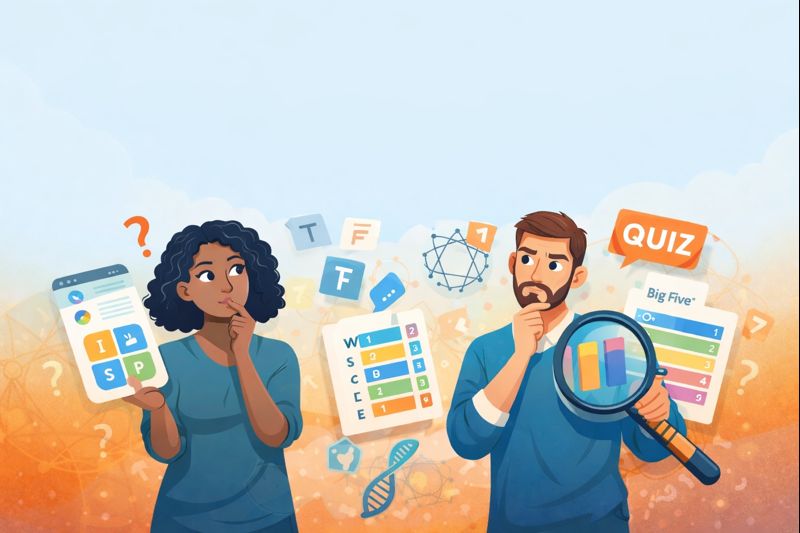
It’s almost impossible to scroll the internet or social media without seeing a personality test promising to reveal “who you really are.” From the Myers-Briggs to Enneagram types to Buzzfeed-style quizzes, these tools are everywhere. But how much science is actually behind them?
The appeal of personality tests
Personality tests are fun because they offer language to describe ourselves. Humans love
patterns, and tests can give us a sense of identity, belonging (“I’m such an INFJ!”), and even guidance on relationships or careers. They feel validating—like someone sees you clearly.
The problem with popular tests
Not all tests are created equal. The Myers-Briggs Type Indicator (MBTI), one of the most
well-known, divides people into 16 types based on four categories. While entertaining, research shows it’s not particularly reliable: about 50% of people get a different result when retested weeks later. Psychologists also note it lacks predictive power—meaning it doesn’t consistently forecast job performance, relationship satisfaction, or mental health outcomes.
So if MBTI isn’t cutting it, what actually holds up under scientific scrutiny?
What the science supports
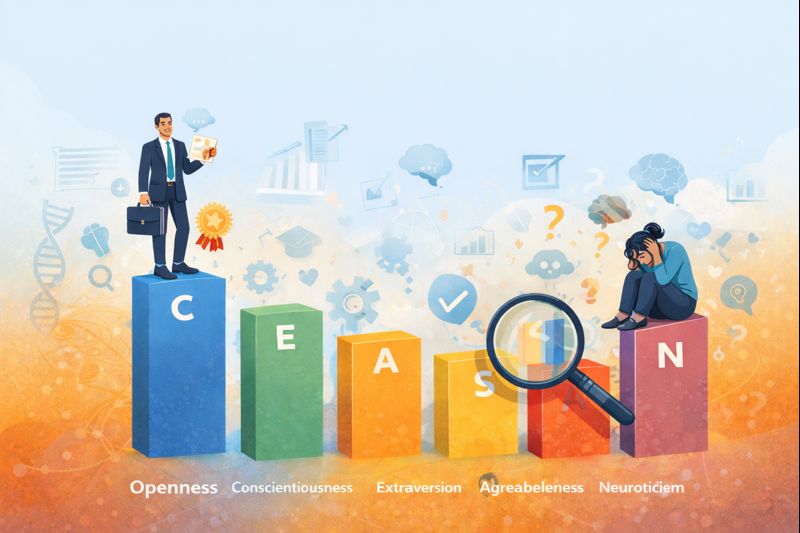
The Big Five personality traits (openness, conscientiousness, extraversion, agreeableness, and neuroticism) have decades of research backing them. The Big Five shows strong reliability (scores are stable over time) and validity (they predict real-life outcomes). For instance, conscientiousness is linked to higher academic and career success, while high neuroticism is associated with anxiety and depression risk.
Personality and therapy
In therapy, we often explore personality not through labels but through patterns—how you respond to stress, connect with others, and make meaning from your experiences. Evidence-based assessments can clarify these patterns in a grounded, scientific way, supporting personal insight and growth rather than boxing you into a category.
So, are tests legit?
Entertainment-focused tests (MBTI, Enneagram, online quizzes) are fun but not scientifically rigorous—think of them as conversation starters, not diagnostic tools. Big Five and clinical assessments (like the Minnesota Multiphasic Personality Inventory) are backed by research and used in psychology, education, and career counseling.
How to use them wisely
Take casual tests with a grain of salt—they might spark reflection but don’t define you. Look for tests developed by researchers if you want accuracy; many free Big Five inventories exist online. Remember: personality is complex. No test can capture every nuance of who you are.
Overall, personality tests can be fun and even helpful for self-reflection, but only a handful are scientifically solid. If you enjoy them, great—just don’t let them box you in. Real growth comes from curiosity, self-awareness, and experiences, not from fitting neatly into a four-letter type.
Curious about what evidence-based personality tools can actually tell you? Reach out to Orchard Mental Health Group—we’d love to help you explore these insights in a meaningful, science-backed way.
Follow us for more wellness content!
More Blog Posts

Helping Kids Stay Connected and Confident During Summer Break
read more
Creating a Healthy Summer Routine for Your Child
Home » Blog » Creating a Healthy Summer Routine for Your ChildCreating a Healthy Summer Routine for Your Child June 8, 2026 | 3 min. readOne of the biggest adjustments children face during summer break is the loss of routine. While most kids enjoy having fewer...
Why Summer Break Isn’t Always a Break for Kids’ Mental Health
Home » Blog » Why Summer Break Isn't Always a Break for Kids' Mental HealthWhy Summer Break Isn't Always a Break for Kids' Mental Health June 8, 2026 | 3 min. readWhen parents think about summer, they often picture vacations, pool days, and a break from the stress of...
In crisis or need immediate help?
Call 988 or go to your nearest ER.
Services
Adolescent Psychotherapy
Adult Psychotherapy
Assessments & Evaluation
Child Psychotherapy
Cognitive Behavioral Therapy
Couples Therapy
Family Therapy & Parent Coaching
Genetic Testing
Group Therapy
Medication Management
Play Therapy
Single-Session Therapy
Teletherapy
Orchard Mental Health Group
Accepted Insurance*
Aetna
Carefirst / Blue Cross Blue Shield
Cigna
Humana / Tricare
Johns Hopkins Health Plans
Medicaid
Medicare
Optum / UnitedHealthcare
*Varies by service
Partner Resources
Contact Us
M-F, 9am-5pm Eastern Time
Phone: 240-750-6467
Fax: 240-912-7835
contact@orchardmentalhealth.com
9707 Key West Avenue, Suite #100 Rockville, MD 20850