The Post-Holiday Slump: Why You Feel “Off” After the Festivities End

Home » Blog » The Post-Holiday Slump: Why You Feel “Off” After the Festivities End

The Post-Holiday Slump: Why You Feel “Off” After the Festivities End

January 6, 2026 | Sasha Hileman, Psy.D. | 5 min. read

Developing Self-Compassion

You made it through the holidays. The gatherings are over, the decorations are coming down, and life is supposed to “go back to normal.” So why do so many people feel flat, sad, unmotivated, or emotionally drained once it’s all over?

If you’re experiencing a post-holiday slump, you’re definitely not alone. There are real psychological and biological reasons this time of year feels harder than expected.

The emotional whiplash effect

Holidays create a temporary bubble. Even if they’re stressful, they still bring structure, anticipation, social connection, and a sense of meaning. Your brain gets regular hits of dopamine (anticipation), oxytocin (connection), and novelty. When that bubble pops in January, your nervous system notices.

The sudden shift from stimulation to routine can feel like emotional whiplash. One day your calendar is full of plans, traditions, and food; the next day it’s emails, chores, and dark evenings. That contrast alone can trigger a sense of emptiness or low mood.

Letdown after “survival mode”

Many people don’t realize they’ve been running on adrenaline until it’s gone. During the holidays, you may push through stress, family dynamics, travel, or grief by sheer momentum. Once it’s over, your body finally exhales and exhaustion rushes in. This is your nervous system coming out of survival mode.

Developing Self-Compassion

Loss of structure and meaning

Holidays provide built-in rituals and roles: host, guest, giver, planner. When those disappear, people often feel untethered. Humans thrive on rhythm and purpose, and January can feel strangely empty without them. This is especially true for people who live alone, are grieving, or used the holidays as a rare time of connection.

Seasonal and biological factors

Shorter days and less sunlight affect serotonin and melatonin regulation, which can impact mood, sleep, and energy. Even people without Seasonal Affective Disorder (SAD) can feel more sluggish, foggy, or emotionally sensitive during winter. Add post-holiday sugar crashes, disrupted sleep, and financial stress and you have a perfect storm.

The pressure to “start fresh”

Ironically, the cultural push to be energized, motivated, and goal-oriented in January can make the slump worse. If you feel low while everyone else is talking about “new year, new me,” it’s easy to turn normal emotional recovery into self-criticism.

Developing Self-Compassion

How to support yourself through the slump

Instead of trying to power through or fix yourself, focus on gentle re-regulation:

  • Normalize rest. You don’t need to optimize immediately. Recovery is productive.
  • Rebuild small rituals. Morning coffee walks, weekly check-ins with a friend, or Sunday routines. Structure soothes the brain.
  • Increase light exposure. Natural sunlight or a light box can improve mood and energy.
  • Lower expectations. January is for recalibration, not reinvention.
  • Name your feelings. Sadness, relief, grief, and numbness can all coexist after the holidays.

If motivation feels impossible, start with care, not discipline.

When to seek extra support

If the slump lasts more than a few weeks, interferes with daily functioning, or starts to feel heavy, hopeless, or isolating, it may be more than a temporary dip. Therapy can help you unpack what the holidays stirred up, regulate your nervous system, and create a steadier emotional rhythm moving forward.

If you’re struggling to shake the post-holiday fog or want support navigating this transition, reaching out to a professional at Orchard Mental Health Group may make a meaningful difference. You don’t have to wait until things feel unbearable to get support. 

Follow us for more wellness content!

More Blog Posts

Will I Still Be Myself When I Take Medication

Will I Still Be Myself When I Take Medication

Home » Blog » Will I Still Be Myself When I Take MedicationWill I Still Be Myself When I Take Medication? Answers to Common Concerns March 24, 2026 | Sasha Hileman, Psy.D. | 3 min. readIf you’re considering medication for mental health - whether anxiety, depression,...

read more
Personality Tests – Are They Legit?

Personality Tests – Are They Legit?

Personality tests are everywhere—but not all of them are scientifically sound. Learn which ones hold up under research, which are just for fun, and how therapists actually use personality in practice.

read more

Navigating the Emotional Landscape of the Holiday Season

Home » Blog » Navigating the Emotional Landscape of the Holiday Season

Navigating the Emotional Landscape of the Holiday Season

December 17, 2025 | Sasha Hileman, Psy.D. | 5 min. read

Developing Self-Compassion

The holiday season, encompassing celebrations such as Christmas, Hanukkah, Kwanzaa, and others, is often a time of joy, family gatherings, and festive cheer. However, for many, it can also be a period fraught with emotional challenges. The holidays can amplify stress, loneliness, and unmet expectations. Understanding the psychological underpinnings of these experiences can help individuals approach the season with greater compassion and resilience.

One major factor is the pressure of societal expectations. Media and advertisements frequently present images of perfect families, lavish gifts, and harmonious gatherings. This can lead to cognitive dissonance when reality does not match these ideals. For example, individuals dealing with family conflicts or financial strain may experience heightened feelings of inadequacy or disappointment. Research from the American Psychological Association indicates that approximately 38% of people report increased stress during the holidays, often due to these idealized portrayals. To counter this, practice realistic goal-setting. Instead of aiming for perfection, focus on meaningful connections. One simple exercise is to list three small, achievable traditions that bring genuine joy, such as enjoying a quiet evening with hot cocoa or connecting virtually with a loved one.

Loneliness is another common holiday hurdle, especially for those who are single, estranged from family, or grieving. The emphasis on togetherness can make isolation feel more acute. Psychologically, this relates to the innate human need for social belonging, as outlined in Maslow’s hierarchy of needs. Holidays can trigger feelings of exclusion, leading to rumination and depressive symptoms. If this resonates, consider reframing solitude as an opportunity for self-care. Engage in activities that foster self-compassion, such as journaling about positive past memories or volunteering, which can provide a sense of purpose and community. Research shows that acts of kindness release oxytocin, the “bonding hormone,” reducing feelings of loneliness.

Ways to make holiday family gatherings less stressful | HealthPartners Blog

Family dynamics often intensify during the holidays, bringing underlying tensions to the surface. Old patterns of behavior—sometimes rooted in childhood experiences—can resurface, leading to arguments or emotional exhaustion. From a therapeutic perspective, this is an opportunity to apply boundary-setting skills. Communicate your needs clearly in advance, for instance: “I’d prefer to avoid discussing politics this year.” Techniques from cognitive-behavioral therapy (CBT) can be helpful: Challenge negative thoughts such as “They always ruin the holidays” by replacing them with balanced perspectives, like “We have differences, but we can focus on what’s positive.”

Financial stress is another silent stressor, with gift-giving and travel expenses adding up. This can evoke anxiety or shame, particularly when comparing oneself to others. Psychologically, money issues are tied to self-worth, as many internalize societal messages equating spending with love. To mitigate this stress, consider adopting a minimalist approach: Emphasize experiences over material items, such as homemade gifts or shared meals. Budgeting tools can help, but more importantly, discuss expectations openly with family to reduce pressure.

For those celebrating specific cultural or religious holidays, there is an added layer of identity and tradition. Hanukkah, for example, emphasizes light amid darkness, a metaphor for mental health—finding hope during challenging times. Christmas may focus on giving, aligning with prosocial behaviors that can boost well-being. Whatever your tradition, integrate mindfulness practices, such as deep breathing during overwhelming moments, to stay grounded.

If the holidays trigger deeper issues, such as seasonal affective disorder (SAD) or trauma anniversaries, professional support is crucial. Remember, it is acceptable to prioritize your mental health over obligations.

In essence, the holidays are a microcosm of life’s emotional complexities. By acknowledging potential pitfalls and arming yourself with psychological strategies, you can transform the season into one of genuine fulfillment. If you are struggling, reach out—help is available, and you are not alone. Contact Orchard Mental Health Group for an appointment or reach out to your support network if the holidays feel overwhelming. Seeking help is a sign of strength, not weakness.

Please reach out to our team at Orchard Mental Health Group to schedule an appointment to further explore this challenge.


Follow us for more wellness content!

More Blog Posts
Will I Still Be Myself When I Take Medication

Will I Still Be Myself When I Take Medication

Home » Blog » Will I Still Be Myself When I Take MedicationWill I Still Be Myself When I Take Medication? Answers to Common Concerns March 24, 2026 | Sasha Hileman, Psy.D. | 3 min. readIf you’re considering medication for mental health - whether anxiety, depression,...

read more

Debunking Therapy Myths: Why Seeing a Therapist Isn’t as Scary as TV Makes It Look

Home » Blog » Debunking Therapy Myths: Why Seeing a Therapist Isn’t as Scary as TV Makes It Look

Debunking Therapy Myths: Why Seeing a Therapist Isn’t as Scary as TV Makes It Look

December 8, 2025 | Sasha Hileman, Psy.D. | 5 min. read

The Impact of Strong Communication in a Marriage

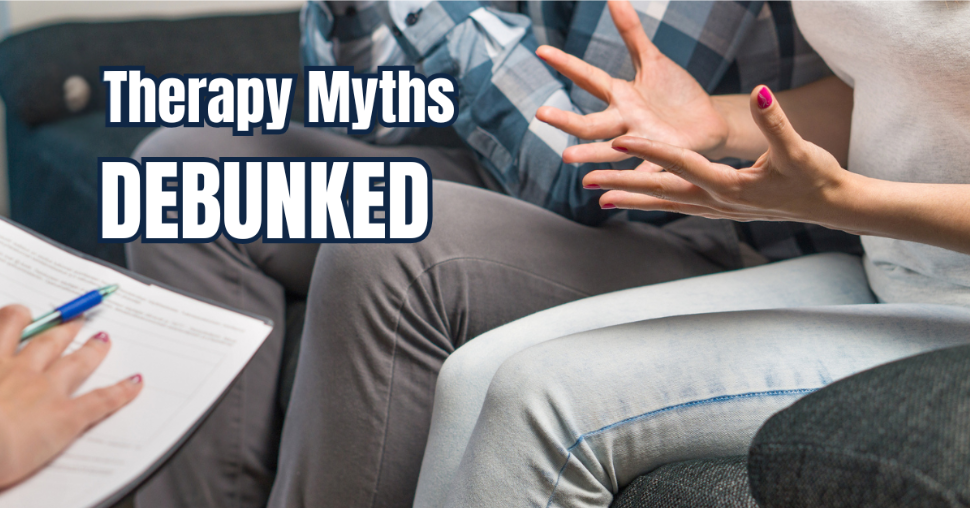
If your idea of therapy comes from TV or TikTok, you’ve probably seen a lot of crying, dramatic breakthroughs, and therapists who seem to have psychic powers. Reality check: real therapy isn’t dramatic or mystical—it’s practical, science-based, and genuinely helpful. It’s not about being “analyzed,” but about understanding yourself better through science, empathy, and collaboration.

Let’s take a closer look at some of the most common misconceptions that stop people from seeking therapy—and what the research actually says.

Myth: Therapy is only for “serious” problems
Reality: Many people assume therapy is only for those in crisis. The truth? Therapy is effective for a wide range of concerns—from managing everyday stress and improving relationships to navigating transitions like starting college or a new job. Seeking support before problems escalate is linked to better mental health outcomes over time.

Myth: Therapy is intimidating and uncomfortable
Reality: Trying something new can feel scary, especially when it involves opening up about your inner world. Research emphasizes that initial discomfort is normal and usually short-lived. Over time, most clients report feeling relief, improved mood, and better problem-solving skills. Like starting a new workout routine, the first sessions may feel awkward, but the benefits accumulate fast.

Myth: Therapists will judge me
Reality: Television often dramatizes therapy with probing questions that make clients
uncomfortable. In reality, therapists are trained to provide a nonjudgmental, supportive space. Studies consistently show that feeling safe and understood is one of the strongest predictors of therapy success.

Myth: Therapy is just talking and doesn’t work
Reality: Yes, therapy involves talking—but it’s talking with a purpose. Techniques from
cognitive behavioral therapy (CBT), mindfulness-based therapy, and other evidence-based approaches help you understand patterns, challenge unhelpful thoughts, and develop practical coping strategies. Research shows therapy can be as effective as medication for many conditions, like depression and anxiety, and often has longer-lasting benefits.

Myth: Going to therapy means you’re weak
Reality: Asking for help is often misperceived as weakness, but psychologists agree it
demonstrates self-awareness and courage. Seeking support is a strength, not a flaw—similar to visiting a doctor for a physical issue.

Myth: Therapy takes forever or is never-ending
Reality: It’s easy to assume therapy drags on for years with no results. In reality, most therapy is goal-oriented and short-term, showing measurable benefits in weeks or months depending on the issue. Some approaches, like CBT, are designed to be brief yet effective.

Myth: Therapy is too expensive
Reality: Cost is a common barrier, but therapy is often more accessible than assumed.
Sliding-scale fees, insurance coverage, employee assistance programs, and community clinics make professional help feasible for many. Exploring options can make therapy realistic.

Myth: Therapy focuses only on the past or childhood
Reality: Therapy isn’t just about digging into old traumas. Modern approaches emphasize current issues, practical coping skills, and future goals, helping you navigate real-life challenges while understanding patterns from the past.

Myth: Therapy doesn’t really work or isn’t necessary if you have friends
Reality: While friends provide support, therapy offers professional, unbiased guidance backed by research. Studies consistently show therapy reduces symptoms, improves coping skills, and enhances overall well-being. It’s a structured, scientifically grounded process—not just an emotional sounding board.

Why Give It a Try

At its core, therapy is about growth, not “fixing.” Whether you’re navigating stress, change, or simply want to understand yourself better, therapy offers tools grounded in science and compassion. Curious about what therapy could look like for you? Reach out to Orchard Mental Health Group—we’re here to help you take that next step, free of myths and full of support.

Follow us for more wellness content!

More Blog Posts

Will I Still Be Myself When I Take Medication

Will I Still Be Myself When I Take Medication

Home » Blog » Will I Still Be Myself When I Take MedicationWill I Still Be Myself When I Take Medication? Answers to Common Concerns March 24, 2026 | Sasha Hileman, Psy.D. | 3 min. readIf you’re considering medication for mental health - whether anxiety, depression,...

read more
Personality Tests – Are They Legit?

Personality Tests – Are They Legit?

Personality tests are everywhere—but not all of them are scientifically sound. Learn which ones hold up under research, which are just for fun, and how therapists actually use personality in practice.

read more

How to Appreciate Your Body at Any Size: A Guide to Self-Acceptance

Home » Blog »How to Appreciate Your Body at Any Size: A Guide to Self-Acceptance

How to Appreciate Your Body at Any Size:

A Guide to Self-Acceptance

November 21, 2025 | Jessica De Leon, Psy.D. | 2 min. read

Developing Self-Compassion
Discover practical ways to appreciate your body at any size. Learn body neutrality, self-care
habits, and how to embrace self-acceptance.

In a culture that often prioritizes appearance over well-being, learning to appreciate your body at any size is an empowering act of self-care. True body appreciation goes beyond aesthetics; it begins with recognizing the many ways your body supports you each day. From carrying you through your routines to enabling moments of connection and joy, your body is more capable and
resilient than it may receive credit for.

A practical approach is to reframe negative self-talk. Instead of focusing on perceived flaws, acknowledge your body’s strengths: “My legs help me move through the world,” or “My hands allow me to create and care.” This shift can help separate self-worth from external standards.

For those who find “body love” difficult, practicing body neutrality can be a valuable alternative. Neutrality emphasizes respecting your body as it is without pressure to feel constant positivity.

Incorporating small, consistent habits also supports body appreciation. Choose clothing that fits comfortably rather than focusing on size labels. Engage in forms of movement that bring enjoyment rather than obligation. Cultivate gratitude by noting one function of your body you value each day.

Equally important is shaping a supportive environment. Curate your social media to highlight diverse body representations and seek out relationships that affirm your worth beyond appearance.

Ultimately, appreciating your body is not about reaching a certain size or standard. It is about embracing respect, gratitude, and care in the present moment—recognizing that your value is inherent, and your body is deserving of kindness exactly as it is.

Please reach out to our team at Orchard Mental Health Group to schedule an appointment to further explore this challenge.


Follow us for more wellness content!

More Blog Posts

Will I Still Be Myself When I Take Medication

Will I Still Be Myself When I Take Medication

Home » Blog » Will I Still Be Myself When I Take MedicationWill I Still Be Myself When I Take Medication? Answers to Common Concerns March 24, 2026 | Sasha Hileman, Psy.D. | 3 min. readIf you’re considering medication for mental health - whether anxiety, depression,...

read more

A 30-Day Mental Health Challenge: Small Steps, Big Impact

Home » Blog » A 30-Day Mental Health Challenge: Small Steps, Big Impact

A 30-Day Mental Health Challenge: Small Steps, Big Impact

March 22, 2025 | Lysa Kirby, LCPC | 5 min. read

Forming a mindset geared toward emotional wellness is not a trivial task. However, with small steps it is tangible to foster positive changes in your overall mental health. Having a thirty-day mental health challenge is an approach to form structure, prioritize self-care, build emotional resilience and promote emotional wellness. Below are manageable activities that encourage mindfulness, self-care and accountability for your mental health. 

The Impact of Strong Communication in a Marriage

Activity Options for a Mental Health Challenge

Day 1: Gratitude Journal – document 3-5 things that you are grateful for. This activity redirects your focus toward positivity. The journal entry may take the form of a list, paragraph, and/or drawings of what you are grateful for. 

Day 5: 10-Minute Walk – Immerse yourself with nature. Venturing outdoors has proven benefits for your mental health. Nature and sunlight boast endorphins and reduce the body’s stress hormone. 

Day 10: Digital Detox – Refrain from your electronics. This activity may be difficult to complete, but it produces a huge reward. It is proven that taking a time out from your screens allows the mind to relax, which decreases racing thoughts, slows breathing and decreases the heart rate. Spending an evening without your screen provides time to reset your mental energy.

Day 15: Reach Out – Connect with a friend or family member. Support network interaction is a vital component of emotional wellness. It will not only strengthen the foundation of your support system, but it may brighten someone’s day to hear from you. 

The Impact of Strong Communication in a Marriage

Day 20: Creative Break – Set aside time to embrace creativity. Take 45 minutes to color, draw, or paint. These activities will not only relax the body, but acts as a grounding exercise, thus lending a hand to regulating your emotions. 

Day 25: Affirmation Practice – positive self-talk is a simple way to build confidence, provide encouragement and foster resiliency. Repeating a phrase such as “I trust myself and my decisions” or “I deserve love and respect” helps to develop self-compassion.

Day 30: Reflect – Reflect on the month and make notes of what was most beneficial and what worked well for your overall mental health. Set aside time to engage in a thirtyday mental health challenge periodically throughout the year, it is worth it!

This challenge creates activities that keep your emotional wellness at the forefront of your mind, which often takes a backseat in our hectic lives. 

Follow us for more wellness content!

More Blog Posts

Will I Still Be Myself When I Take Medication

Will I Still Be Myself When I Take Medication

Home » Blog » Will I Still Be Myself When I Take MedicationWill I Still Be Myself When I Take Medication? Answers to Common Concerns March 24, 2026 | Sasha Hileman, Psy.D. | 3 min. readIf you’re considering medication for mental health - whether anxiety, depression,...

read more
Personality Tests – Are They Legit?

Personality Tests – Are They Legit?

Personality tests are everywhere—but not all of them are scientifically sound. Learn which ones hold up under research, which are just for fun, and how therapists actually use personality in practice.

read more