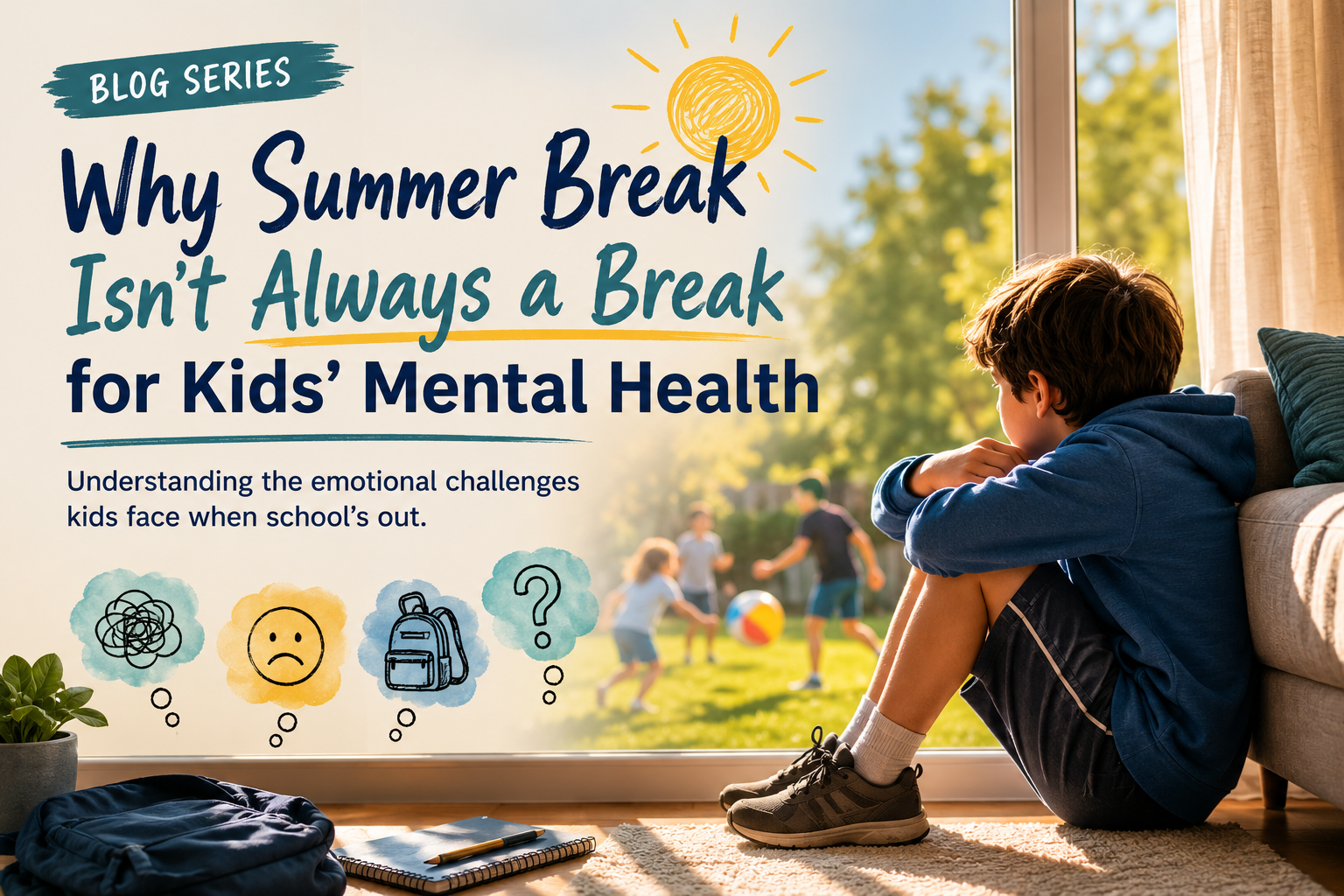
Home » Blog » Helping Kids Stay Connected and Confident During Summer BreakHelping Kids Stay Connected and Confident During Summer Break June 8, 2026 | 3 min. readSchool provides more than academics. It also gives children daily opportunities to connect with friends,...
Helping Kids Stay Connected and Confident During Summer Break

School provides more than academics. It also gives children daily opportunities to connect with friends, build confidence, and practice social skills.
When summer begins, those connections can become less frequent, leaving some children feeling isolated or disconnected.
Help Children Stay Social
Not every child needs a busy social calendar, but maintaining meaningful connections is important.
Consider:
- Playdates
- Camps
- Sports teams
- Community programs
- Family gatherings
Regular social interaction helps children maintain confidence and emotional well-being.
Spend Time Outdoors
Research consistently shows that time outside supports both physical and mental health.
Simple outdoor activities include:
- Swimming
- Walking trails
- Bike rides
- Playground visits
- Backyard games
Children don’t need expensive outings to benefit from time outdoors.
Prepare for New Experiences
Many children feel nervous about camps, vacations, or schedule changes.
Talking through upcoming events ahead of time can help.
Ask questions like:
- What are you excited about?
- What are you nervous about?
- What can you do if you feel uncomfortable?
Helping children think through challenges before they happen can increase confidence and reduce anxiety.
Final Thoughts
Summer can be a wonderful opportunity for growth, connection, and fun. By maintaining some structure, encouraging social interaction, and keeping communication open, parents can help children navigate the season with confidence.
If your child is struggling with anxiety, emotional regulation, ADHD, depression, or major life transitions, Orchard Mental Health Group and GBCC Behavioral Health are here to help. Contact us today to learn more about our child and adolescent therapy services.
Explore the full Summer Mental Health Series:
Part 1: Why Summer Break Isn’t Always a Break for Kids’ Mental Health
Part 2: Creating a Healthy Summer Routine for Your Child
Part 3: Helping Kids Stay Connected and Confident During Summer Break
Follow us for more wellness content!
More Blog Posts

Helping Kids Stay Connected and Confident During Summer Break
read more

Creating a Healthy Summer Routine for Your Child
Home » Blog » Creating a Healthy Summer Routine for Your ChildCreating a Healthy Summer Routine for Your Child June 8, 2026 | 3 min. readOne of the biggest adjustments children face during summer break is the loss of routine. While most kids enjoy having fewer...
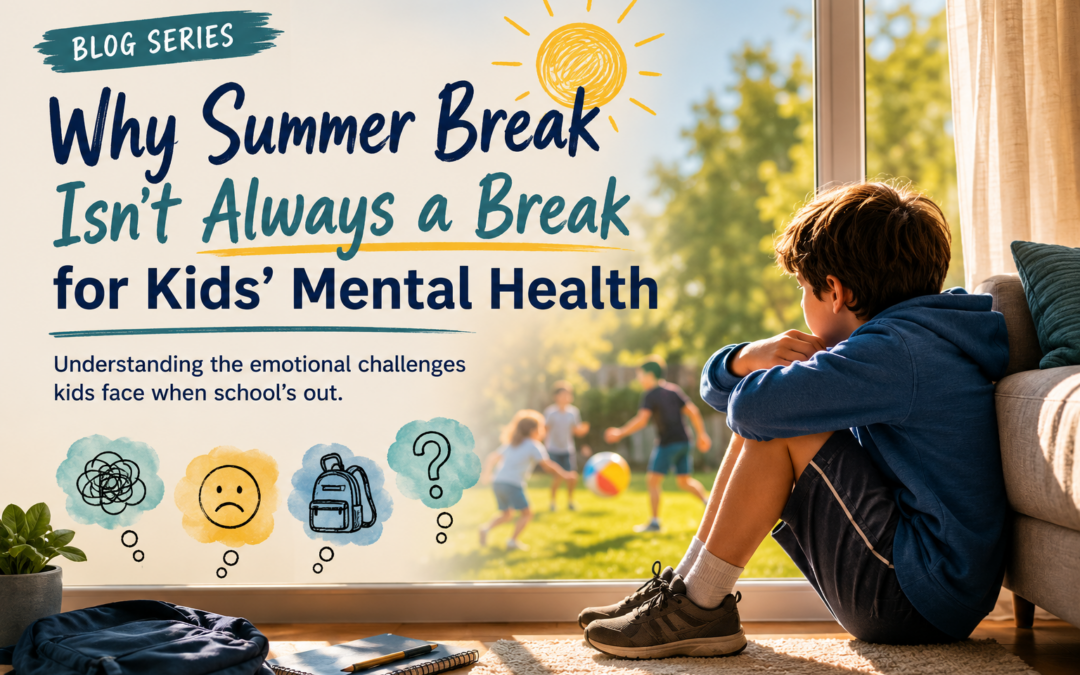
Why Summer Break Isn’t Always a Break for Kids’ Mental Health
Home » Blog » Why Summer Break Isn't Always a Break for Kids' Mental HealthWhy Summer Break Isn't Always a Break for Kids' Mental Health June 8, 2026 | 3 min. readWhen parents think about summer, they often picture vacations, pool days, and a break from the stress of...
In crisis or need immediate help?
Call 988 or go to your nearest ER.
Services
Adolescent Psychotherapy
Adult Psychotherapy
Assessments & Evaluation
Child Psychotherapy
Cognitive Behavioral Therapy
Couples Therapy
Family Therapy & Parent Coaching
Genetic Testing
Group Therapy
Medication Management
Play Therapy
Single-Session Therapy
Teletherapy
Orchard Mental Health Group
Accepted Insurance*
Aetna
Carefirst / Blue Cross Blue Shield
Cigna
Humana / Tricare
Johns Hopkins Health Plans
Medicaid
Medicare
Optum / UnitedHealthcare
*Varies by service
Partner Resources
Contact Us
M-F, 9am-5pm Eastern Time
Phone: 240-750-6467
Fax: 240-912-7835
contact@orchardmentalhealth.com
9707 Key West Avenue, Suite #100 Rockville, MD 20850