
Home » Blog » Creating Routines That Help Kids ThriveCreating Routines That Help Kids Thrive Helping Kids Thrive This School YearAugust 27, 2026 | Series 3 of 8Getting everyone out the door in the morning. Remembering backpacks, lunches, sports gear and permission...
Why Summer Break Isn’t Always a Break for Kids’ Mental Health
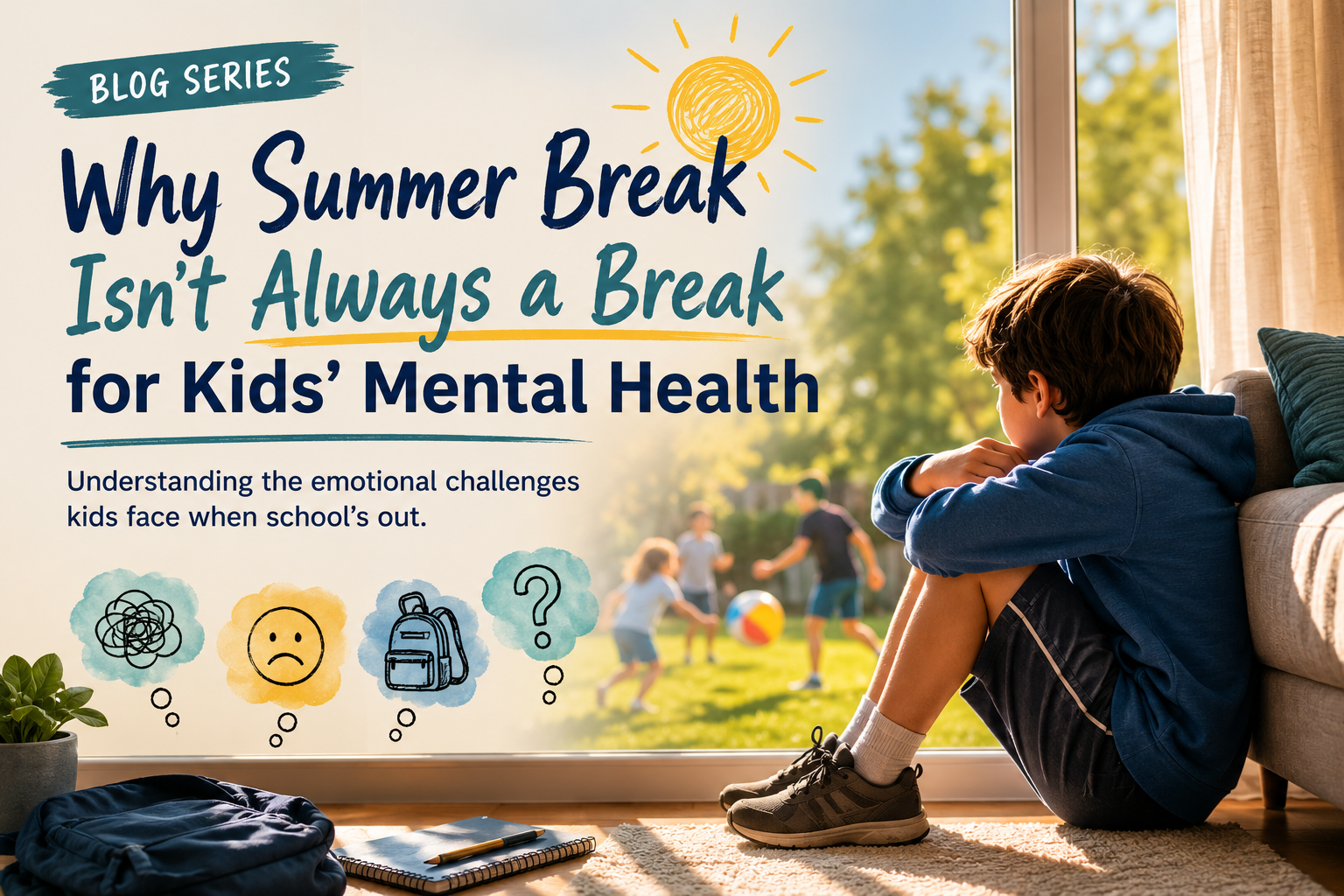
When parents think about summer, they often picture vacations, pool days, and a break from the stress of the school year. But for many children and teens, summer can bring unexpected emotional challenges.
At Orchard Mental Health Group and GBCC Behavioral Health, we often hear from parents who notice changes in their child’s mood shortly after school ends. A child who seemed happy and engaged during the school year may suddenly become irritable, anxious, withdrawn, or bored.
While this can be frustrating, it is often a normal response to a major change in routine.
Why the Transition Can Be Difficult
During the school year, children benefit from:
- Daily structure
- Consistent expectations
- Regular social interaction
- Mental stimulation
- Physical activity
When summer arrives, much of that disappears overnight.
Some children adapt quickly, while others struggle with the loss of routine and predictability. Children with anxiety, ADHD, emotional regulation challenges, or difficulty with transitions may be especially affected.
Signs Your Child May Be Struggling
You may notice:
- Increased irritability
- More emotional outbursts
- Anxiety or excessive worry
- Changes in sleep habits
- Excessive screen time
- Withdrawal from friends or activities
- Frequent complaints of boredom
These behaviors don’t necessarily mean something is wrong, but they can signal that your child needs additional support during the transition.
Looking Ahead
The good news is that small changes can make a big difference. In Part 2 of this series, we’ll share practical ways parents can create healthy routines and support emotional wellness throughout the summer.
Need support for your child or teen? Contact Orchard Mental Health Group or GBCC Behavioral Health to learn more about our child and adolescent therapy services.
This is Part 1 of our Summer Mental Health Series.
Continue reading: Creating a Healthy Summer Routine for Your Child
Follow us for more wellness content!
More Blog Posts
Creating Routines That Help Kids Thrive
read more
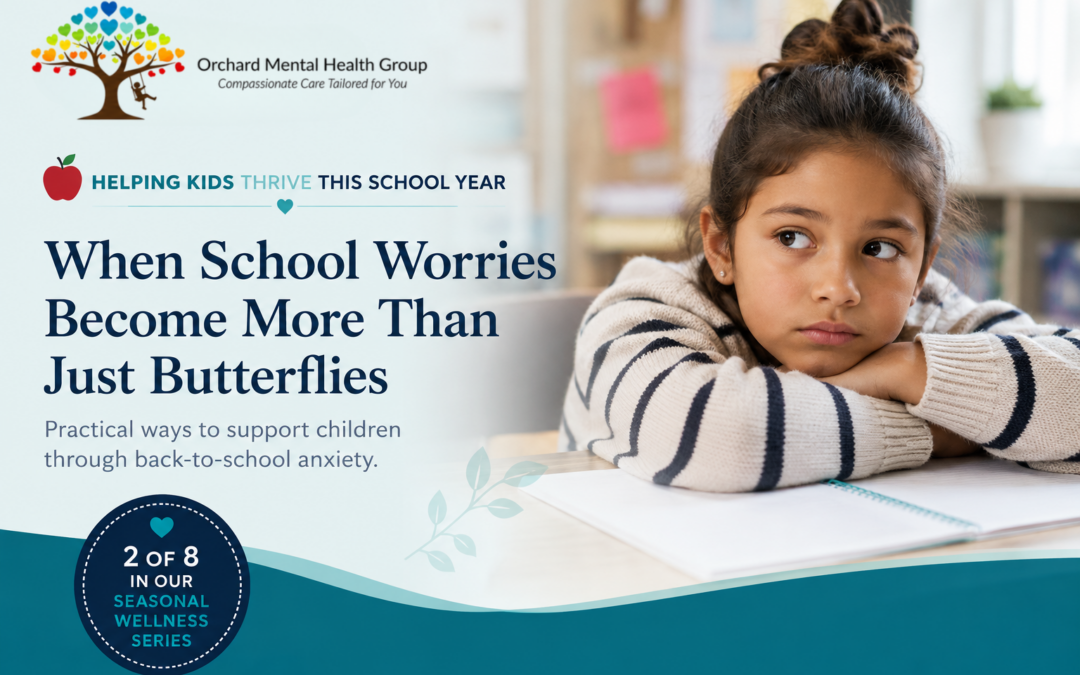
When School Worries Become More Than Just Butterflies
Home » Blog » When School Worries Become More Than Just ButterfliesWhen School Worries Become More Than Just Butterflies Helping Kids Thrive This School YearAugust 19, 2026 | Series 2 of 8A new school year can bring a mix of excitement and nerves. New teachers,...

How Do I Know If Therapy Is Right for Me?
Home » Blog » How Do I Know If Therapy Is Right for Me?Let's Talk About Therapy Real Questions. Honest Answers. August 17, 2026 | Series 2One of the most common questions we hear is: "How do I know if therapy is right for me?" It's a fair question, and one that...
In crisis or need immediate help?
Call 988 or go to your nearest ER.
Services
Adolescent Psychotherapy
Adult Psychotherapy
Assessments & Evaluation
Child Psychotherapy
Cognitive Behavioral Therapy
Couples Therapy
Family Therapy & Parent Coaching
Genetic Testing
Group Therapy
Medication Management
Play Therapy
Single-Session Therapy
Teletherapy
Orchard Mental Health Group
Accepted Insurance*
Aetna
Carefirst / Blue Cross Blue Shield
Cigna
Humana / Tricare
Johns Hopkins Health Plans
Medicaid
Medicare
Optum / UnitedHealthcare
*Varies by service
Partner Resources
Contact Us
M-F, 9am-5pm Eastern Time
Phone: 240-750-6467
Fax: 240-912-7835
contact@orchardmentalhealth.com
9707 Key West Avenue, Suite #100 Rockville, MD 20850