

Lysa’s Limericks
Self-compassion and mental health wellness should be synonymous with one another. Yet, it is the negative internal dialogue that is a major component of low self-worth and/or a catalyst to depressive symptoms. We are often forgiving, understanding and quick to excuse both minor and major transgressions committed by others. However, we tend to be unforgiving and relentlessly critical of ourselves.
The term self-compassion is the act of being kind to yourself. Allowing yourself the grace to make mistakes, create an atmosphere free of judgment and to promote positivity inward.
According to a leader within the field of self-compassion, Dr. Kristin Neff believes there are three components within this concept: self-kindness, common humanity and mindfulness (Neff, 2024).
Kindness refers to the acknowledgment that perfection does not exist. You should refrain from negative self-talk and practice kindness, understanding and being content with imperfection.
Common humanity suggests that every individual has strengths and weaknesses and all of us are trying to improve. This thought process will allow you to feel connected to others and less alone in your journey of life. The mindfulness component of self-compassion relates to being grounded in the present. This feature allows you to feel balanced within your thoughts and feelings.
The benefit of self-compassion includes various psychological elements. Those who routinely incorporate self-compassion into their routine experience less anxiety and depressive symptoms. In general, they are more likely to redirect negative self-talk with more ease and confidence. Additionally, self-compassion increases emotional resilience. When encountered with emotional hardship one will have the emotional bandwidth to regroup and move forward. Lastly, those persons that make a conscious effort to utilize self-compassion have improved interpersonal relationships. In short, when one is kinder to themselves, they are also gentle with others.
Reference:
Neff, Kristen, https://self-compassion.org/ (2024)
Follow us for more wellness content!
More Blog Posts

Will I Still Be Myself When I Take Medication
Home » Blog » Will I Still Be Myself When I Take MedicationWill I Still Be Myself When I Take Medication? Answers to Common Concerns March 24, 2026 | Sasha Hileman, Psy.D. | 3 min. readIf you’re considering medication for mental health - whether anxiety, depression,...
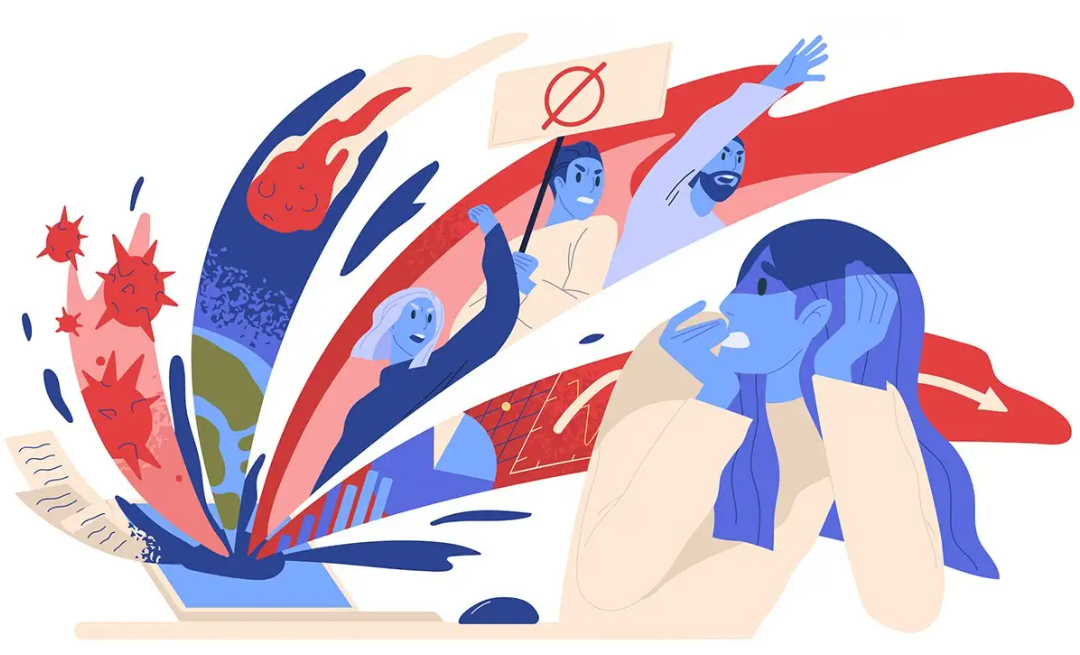
Why Politics Feels So Exhausting – and What You Can Do About It
Feeling overwhelmed by politics? Constant news cycles and online conflict can keep your nervous system on high alert. Learn why it happens and how to protect your mental health.
In crisis or need immediate help?
Call 988 or go to your nearest ER.
Services
Adolescent Psychotherapy
Adult Psychotherapy
Assessments & Evaluation
Child Psychotherapy
Cognitive Behavioral Therapy
Couples Therapy
Family Therapy & Parent Coaching
Genetic Testing
Group Therapy
Medication Management
Play Therapy
Single-Session Therapy
Teletherapy
Orchard Mental Health Group
Accepted Insurance*
Aetna
Carefirst / Blue Cross Blue Shield
Cigna
Humana / Tricare
Johns Hopkins Health Plans
Medicaid
Medicare
Optum / UnitedHealthcare
*Varies by service
Partner Resources
Contact Us
M-F, 9am-5pm Eastern Time
Phone: 240-750-6467
Fax: 240-912-7835
contact@orchardmentalhealth.com
9707 Key West Avenue, Suite #100 Rockville, MD 20850

