The Impact of Social Media on Young Men
Home » Blog » The Impact of Social Media on Young Men: Navigating a Complex Digital Landscape

The Impact of Social Media on Young Men: Navigating a Complex Digital Landscape

August 2, 2025 | Sasha Hileman, Psy.D. | 10 min. read

Developing Self-Compassion

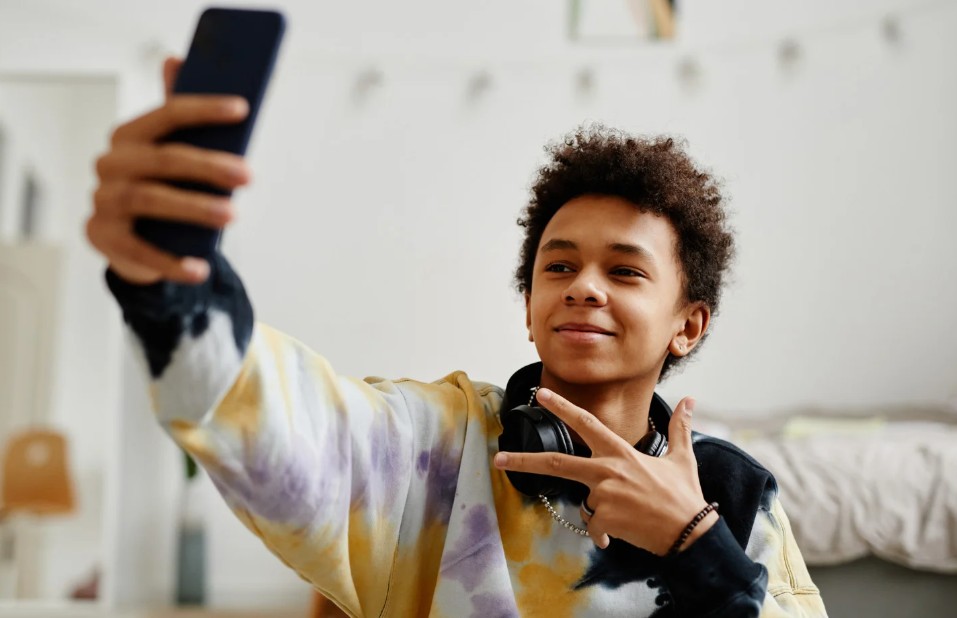
In today’s hyper-connected world, social media is a dominant force in shaping how young men perceive themselves and their place in society.

While platforms like Instagram, TikTok, and X offer opportunities for connection and self-expression, they also pose significant challenges to mental health, self-esteem, and identity development.

One major concern is the effect of social media on mental health.

Studies have linked prolonged social media use to increased risks of anxiety, depression, and low self-esteem among young people. For young men, who may feel societal pressure to appear strong and stoic, these platforms can exacerbate feelings of inadequacy. Constant exposure to curated images of hyper-masculine ideals—muscular physiques, financial success, or social dominance—creates unrealistic benchmarks. Studies have found that young men who frequently viewed idealized male imagery reported higher body dissatisfaction and lower self-worth, as they internalized these unattainable standards.

Social media also amplifies comparison culture.

Platforms algorithmically promote content that grabs attention, often showcasing extreme lifestyles or achievements. For young men, this can foster a sense of failure if their own lives don’t measure up. Studies have shown that limiting social media use to 30 minutes per day significantly reduced feelings of loneliness and depression in young adults.

Another troubling influence is the rise of toxic online communities.

Some corners of social media promote harmful ideologies, such as hyper-masculinity or misogyny, targeting vulnerable young men seeking belonging. Recent studies have highlighted how exposure to such content can reinforce negative behaviors, including aggression or entitlement, particularly in adolescents still forming their identities. These spaces often exploit feelings of alienation, drawing young men into echo chambers that validate harmful beliefs instead of encouraging healthy emotional growth.
 

Developing Self-Compassion

The pressure to perform online also takes a toll.

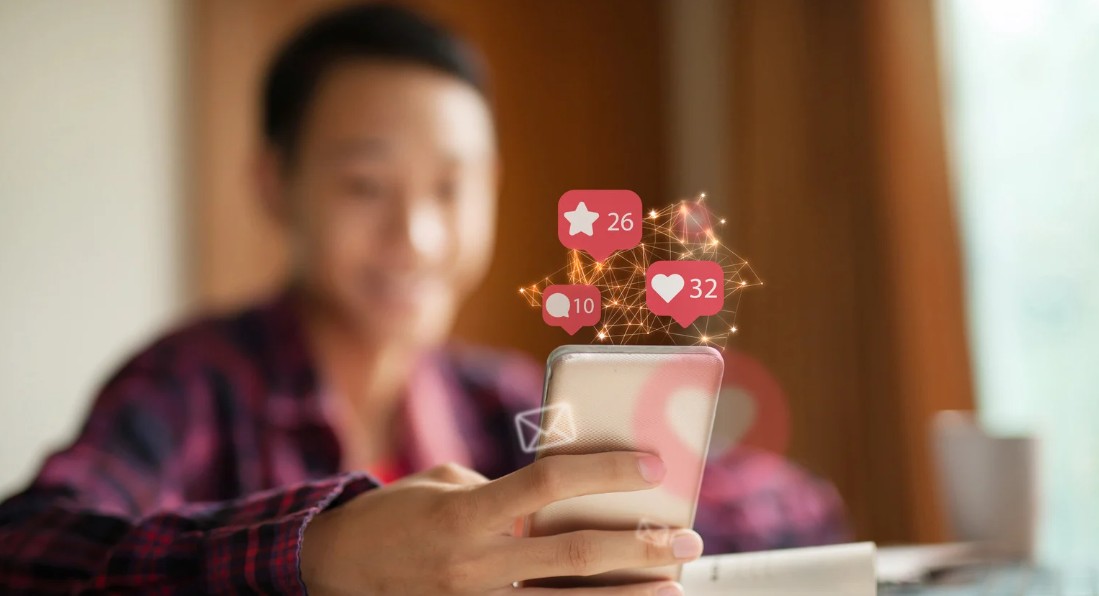
Young men may feel compelled to craft a persona, such as the “alpha” and “sigma male”, to gain likes, followers, or validation. This performance can lead to inauthenticity, where genuine self-expression is sacrificed for social approval. This pressure to maintain a curated online image correlates with increased stress and diminished mental well-being.

Despite these challenges, there’s optimism.

Encouraging digital literacy can empower young men to critically evaluate the content they consume. Setting boundaries, like reducing screen time or curating feeds to include positive role models, can mitigate negative effects. Parents, educators, and peers can foster open conversations about self-worth, emphasizing that real strength lies in authenticity and resilience, not in meeting social media’s fleeting standards.

While social media offers connection, its pitfalls—unrealistic ideals, comparison culture, toxic communities, and performance pressure—can harm young men’s mental health and self-perception. By understanding these impacts and promoting healthier digital habits, we can support young men in navigating this complex landscape with confidence and authenticity.

Please reach out to our team at Orchard Mental Health Group to schedule an appointment to further explore this challenge.

Follow us for more wellness content!

More Blog Posts

Creating a Healthy Summer Routine for Your Child

Creating a Healthy Summer Routine for Your Child

Home » Blog » Creating a Healthy Summer Routine for Your ChildCreating a Healthy Summer Routine for Your Child June 8, 2026 | 3 min. readOne of the biggest adjustments children face during summer break is the loss of routine. While most kids enjoy having fewer...

read more

The Mental Health Cost of Cancel Culture

Home » Blog » The Mental Health Cost of Cancel Culture

The Mental Health Cost of Cancel Culture

November 27, 2024 | Lysa Kirby, LCPC | 2 min. read

The Mental Health Cost of Cancel Culture

Cancel culture has become a prevalent topic in the digital realm.

Specifically, individuals are chastised or ostracized for their actions or options on a public scale. Accountability sets the foundation for emotional and mental growth, but the unyielding method of the cancel culture can be difficult on the psyche.

For those that are targeted the impact can be destructive. Enduring the act of being canceled out can lead to anxiety, depressive symptoms and in some extreme cases suicidal ideation can surface. The public scale of the criticism exacerbates the situation because the person is often subject to judgment from strangers and what’s posted on the internet leaves a permanent reminder.

Cancel culture can often influence the individual engaging in it as well.

The behavior of canceling can promote anxiety about one’s own possible mistakes. Moreover, this can form an atmosphere of individuals being fearful to convey their opinion. Also, the anger displayed within the cancel culture can often trigger emotional burnout and cynicism. 

Social media fosters an environment that rewards negative behaviors versus constructive conversations. The anonymity of the online platform creates mob behavior thus increasing ill-thought decision-making and decreasing empathy for others.

To decrease mental health costs there needs to be an online refocus to conversations that are conducted respectfully and hold individuals accountable without harsh punishment. Additionally, conversations should shift to a willingness to improve and provide individuals with redemption and forgiveness versus fostering an atmosphere of fear or defensiveness, then labeling them as permanently bad.

Follow us for more wellness content!

More Blog Posts

Social Media Misdiagnosis

Home » Blog » Social Media Misdiagnosis

Social Media Misdiagnosis

February 7, 2024 | Vanessa Buonopane, Psy.D. | 7 min. read

TikTok. Instagram. YouTube. What do all of these social media platforms have in common? They are wonderful for getting mass amounts of information out to people. One type of information provided is information related to mental health.

Although this is a great way to educate people on mental health disorders, it can also lead to self-diagnosis and, often, misdiagnosis.

Social Media Misdiagnosis OMHG Blog

So, what’s the problem?

While mental health clinicians want people to learn about their diagnoses and connect with others who share similar experiences, we also want you to take in accurate information about mental health diagnoses. One study examined the reach and accuracy of information on autism on TikTok, finding that “videos associated with the #Autism hashtag accrued 11.5 billion views collectively. An examination of the top 133 videos providing informational content on autism…showed that 27% of the videos were classified as accurate, while 41% were classified as inaccurate and 32% as overgeneralized. Videos created by healthcare professionals were more likely to include accurate information” (Aragon-Guevara, Castle, Sheridan, and Vivanti, 2023).

For instance, numerous individuals come into our office for psychological evaluations to determine if they have Attention-Deficit/Hyperactivity Disorder (ADHD) after stating they are having problems with attention and concentration in school, at work, at home, and/or in public settings. While there is a portion of people who legitimately meet the diagnostic criteria for ADHD, many individuals’ difficulties with attention and concentration might be linked to other concerns, such as depression and anxiety (Note: Check out this article for more information on ADHD).

If you or someone you know believes that they identify with a diagnosis on social media but are not formally diagnosed, it can be helpful to encourage the individual to undergo a psychological evaluation to determine if they meet the criteria for a specific diagnosis.

It is important to note that not all symptoms are clinical, meaning we all experience normal ups and downs in life that do not constitute a mental health diagnosis. You can have normal anxiety when giving a presentation and not be diagnosed with Social Anxiety Disorder. Similarly, you can have a bad day and not meet the criteria for Major Depressive Disorder. When it comes to diagnosing, individuals must meet a certain number of the clinical criteria and, in some cases, those symptoms must be present for specific time periods. They must also cause significant distress in a variety of areas, such as at home, work/school, and in social settings.

Ultimately, social media is not all bad, as it has provided platforms for discussing mental health and has made great strides for “visibility, reducing stigma, and helping people gain the insight they may have no other way to access.” For some people, social media has helped them feel less alone. When attempting to understand yourself or your child, the best thing to do is seek professional help and do your research on more than social media (e.g., research articles, academic/educational websites, and government agencies such as the National Institutes of Health).

References:

Aragon-Guevara, D., Castle, G., Sheridan, E. et al. The Reach and Accuracy of Information on Autism on TikTok. J Autism Dev Disord (2023). https://doi.org/10.1007/s10803-023-06084-6 

https://www.verywellmind.com/people-are-using-social-media-to-self-diagnose-5217072 

https://www.cnn.com/2023/07/20/tech/tiktok-self-diagnosis-mental-health-wellness/index.html 

Follow us for more wellness content!

More Blog Posts

Creating a Healthy Summer Routine for Your Child

Creating a Healthy Summer Routine for Your Child

Home » Blog » Creating a Healthy Summer Routine for Your ChildCreating a Healthy Summer Routine for Your Child June 8, 2026 | 3 min. readOne of the biggest adjustments children face during summer break is the loss of routine. While most kids enjoy having fewer...

read more